- Home
- About us
- Students
- Courses
- Research
- Library
- News & Events
- Gallery
- Contact
- Our Blog
Latest News

2014 Patristic Symposium - Gallery
2014 Patristic Symposium - Gallery
-
View the full image
-
View the full image
-
View the full image
-
View the full image
-
View the full image
-
View the full image
-
View the full image
-
View the full image
-
View the full image
-
View the full image
-
View the full image
-
View the full image
-
View the full image
-
View the full image
-
View the full image
-
View the full image
-
View the full image
-
View the full image
-
View the full image
-
View the full image
-
View the full image
-
View the full image
-
View the full image
-
View the full image
-
View the full image
-
View the full image
-
View the full image
-
View the full image
-
View the full image
-
View the full image
-
View the full image
-
View the full image
-
View the full image
-
View the full image
-
View the full image
-
View the full image
-
View the full image
-
View the full image
-
View the full image
-
View the full image
-
View the full image
-
View the full image
-
View the full image
-
View the full image
-
View the full image
-
View the full image
-
View the full image
-
View the full image
-
View the full image
-
View the full image
-
View the full image
-
View the full image
-
View the full image
-
View the full image
-
View the full image
-
View the full image
-
View the full image
-
View the full image
-
View the full image
-
View the full image
-
View the full image
-
View the full image
-
View the full image
-
View the full image
-
View the full image
-
View the full image
-
View the full image
-
View the full image
-
View the full image
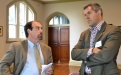
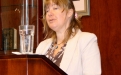
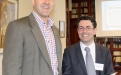
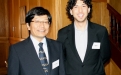
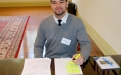
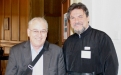
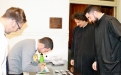
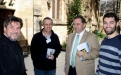
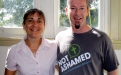
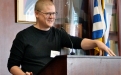
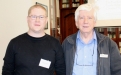
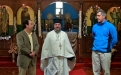
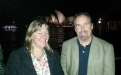
Photos by Mr M. Baghos
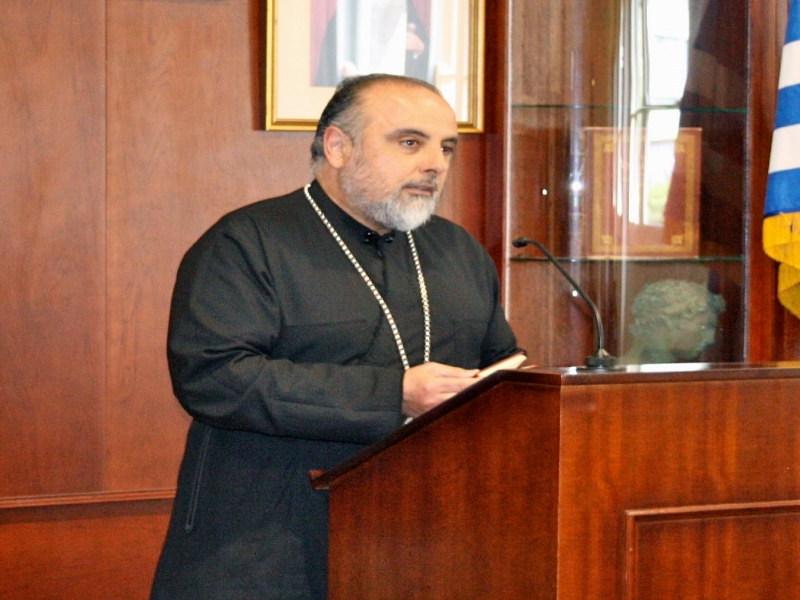
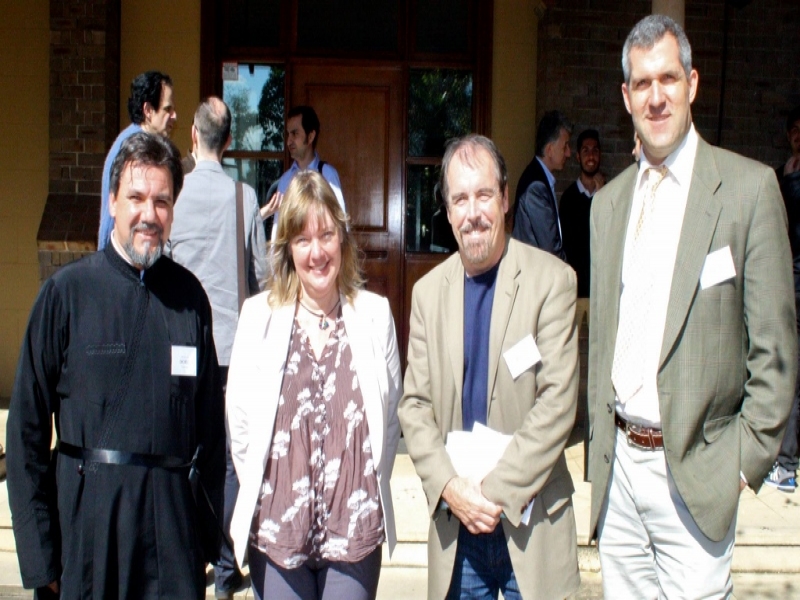
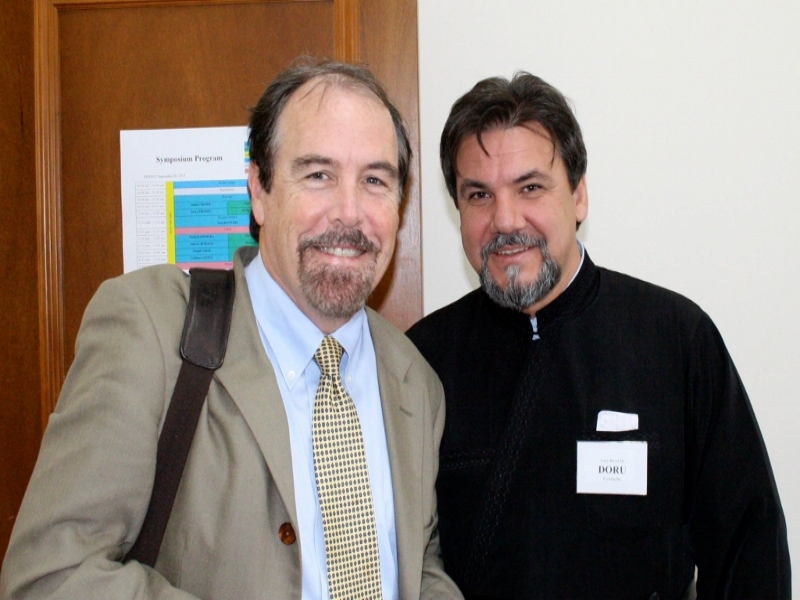
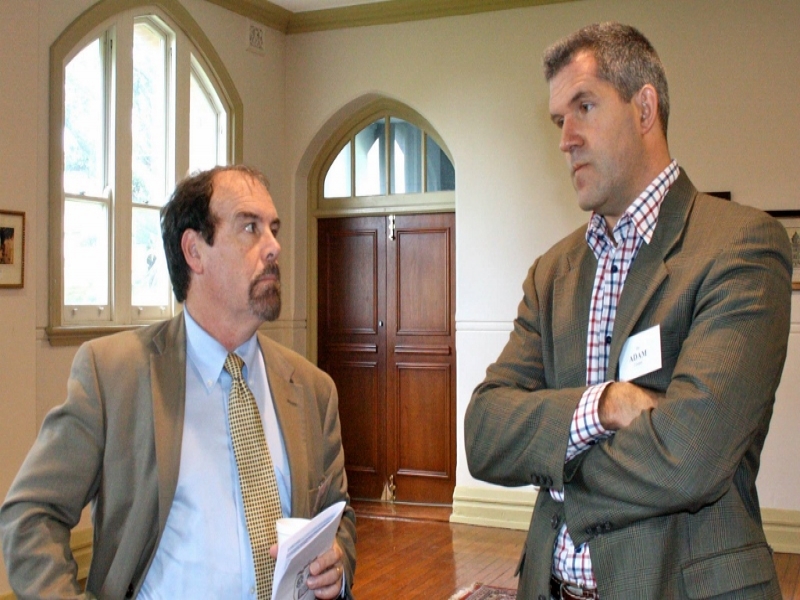
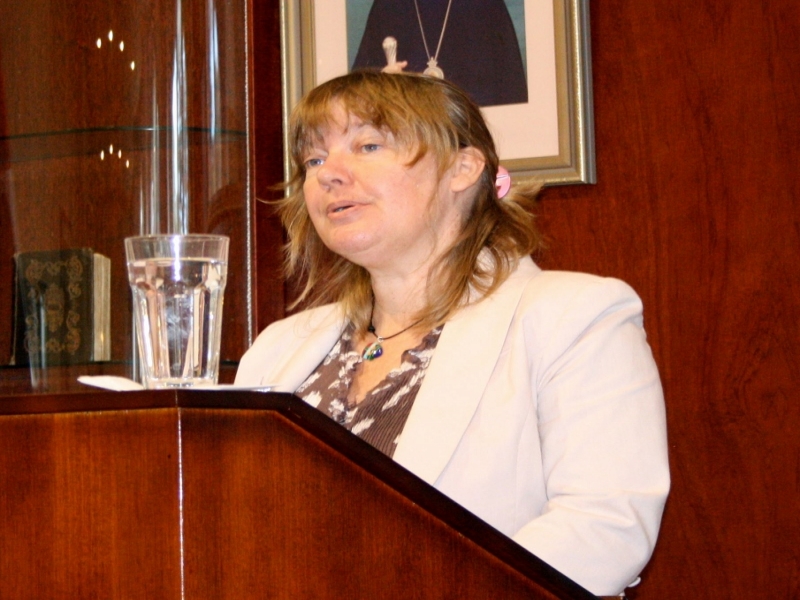
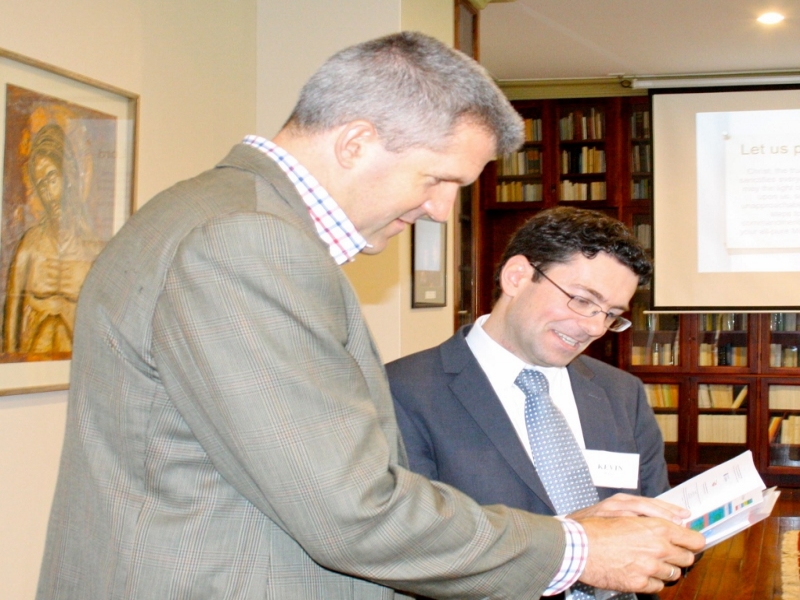
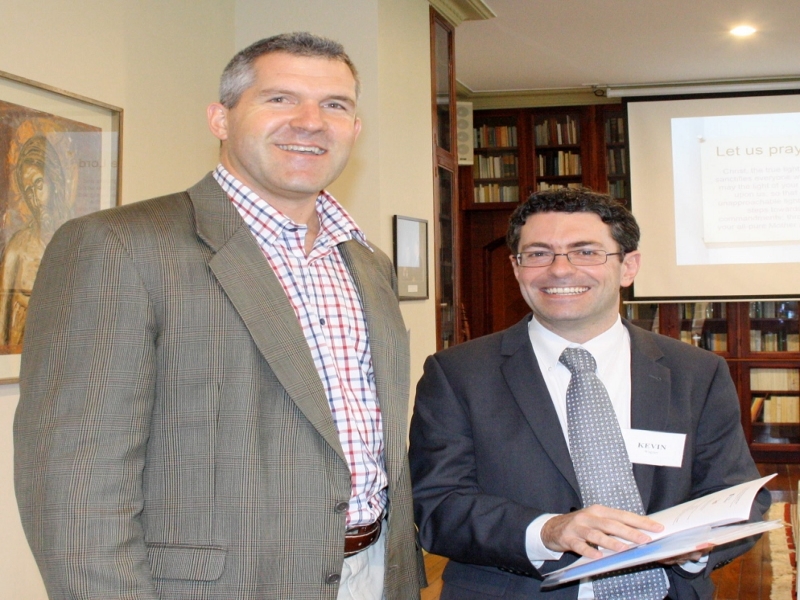
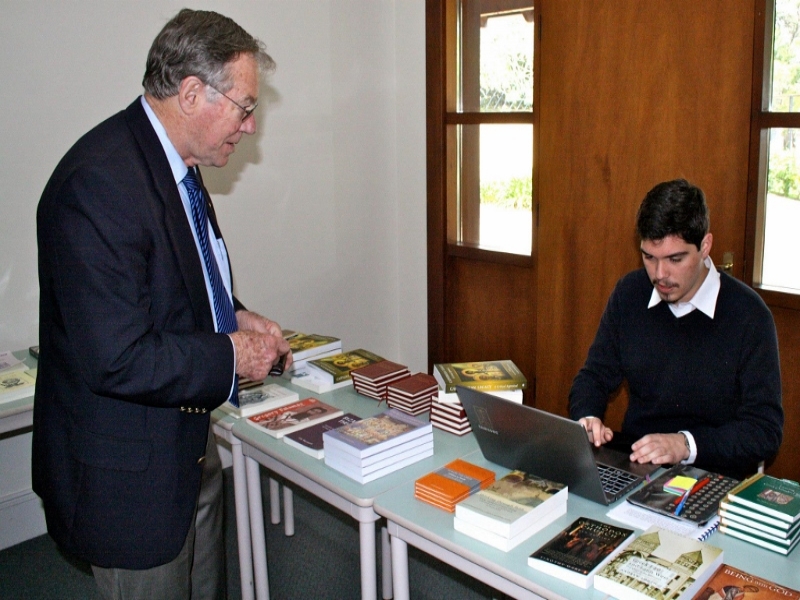
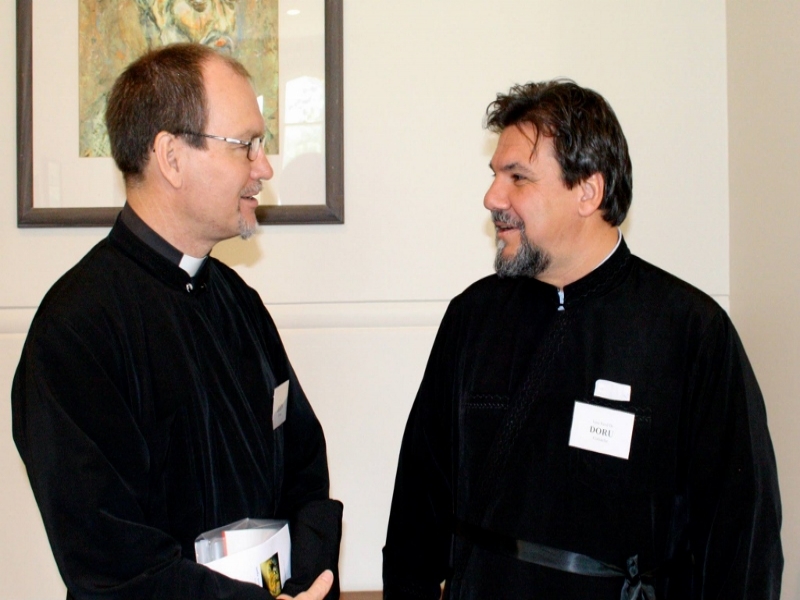
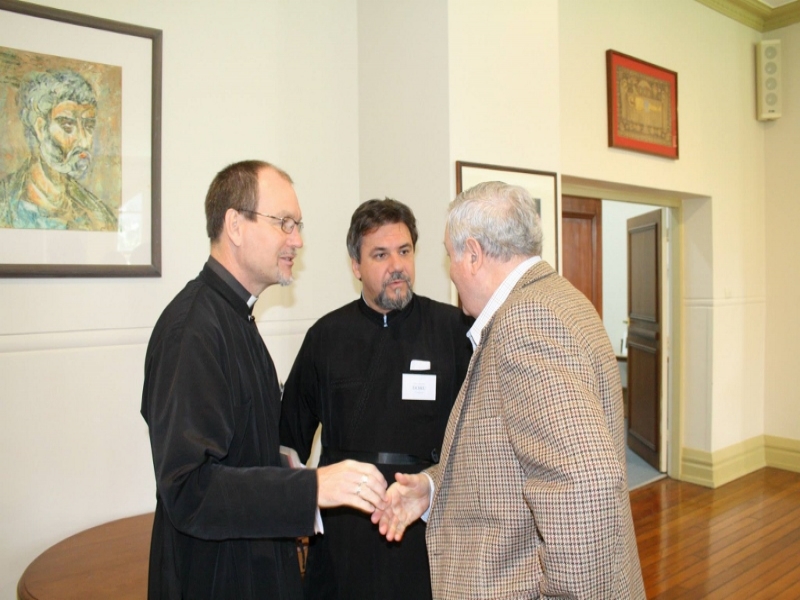
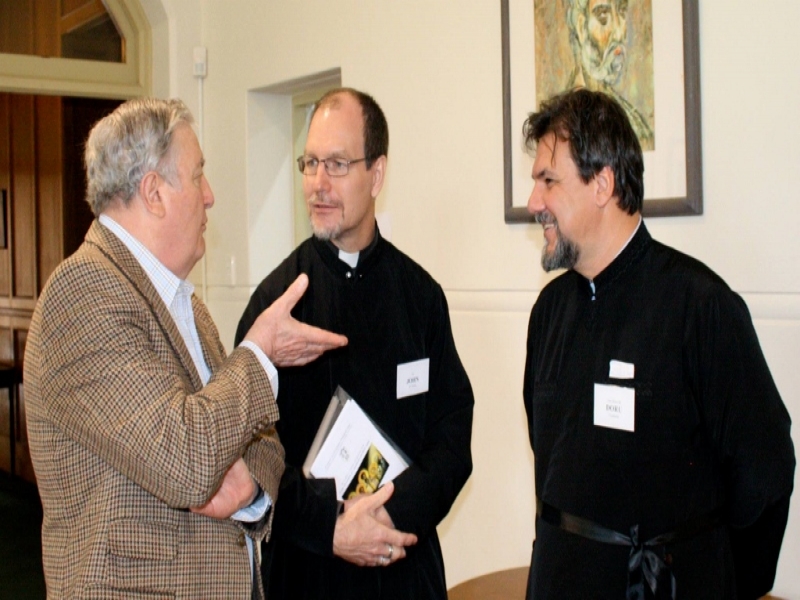
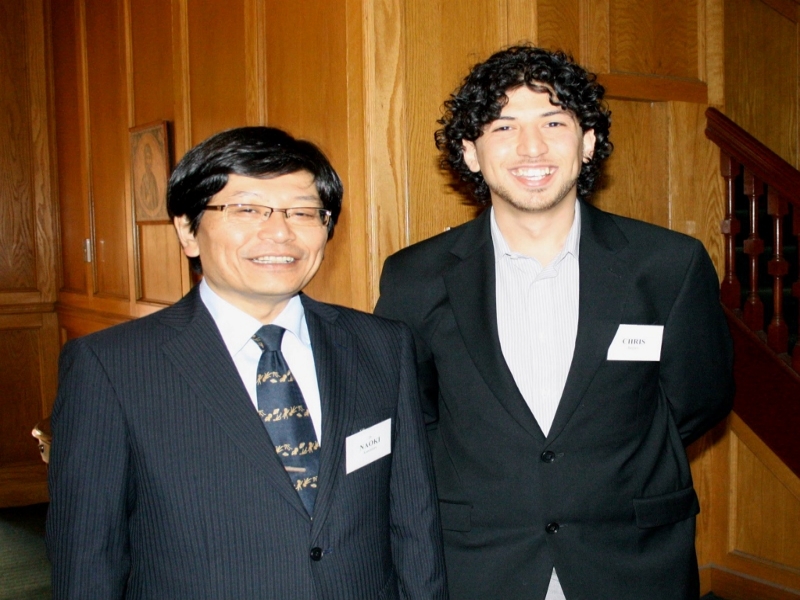
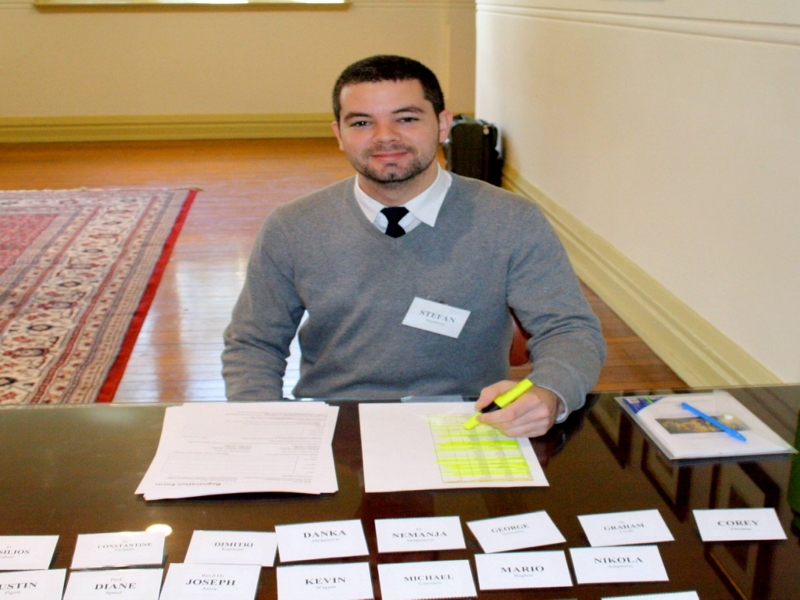
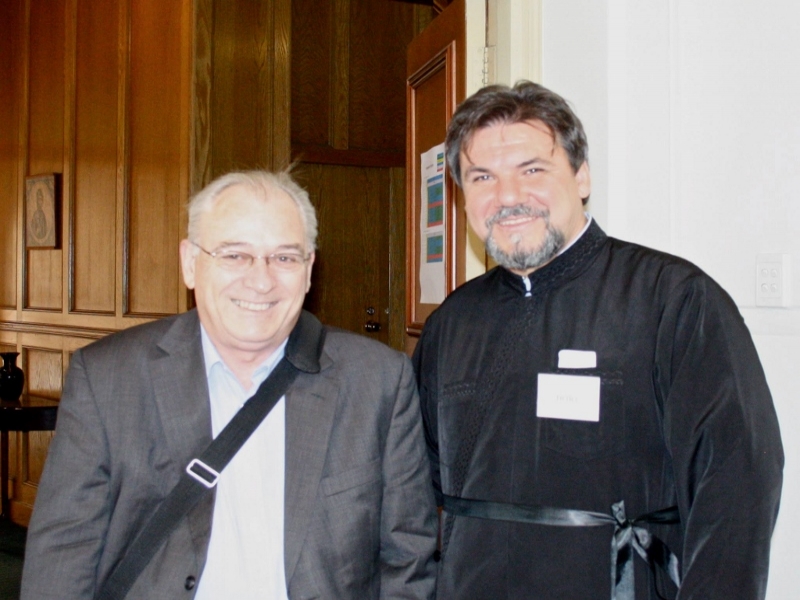
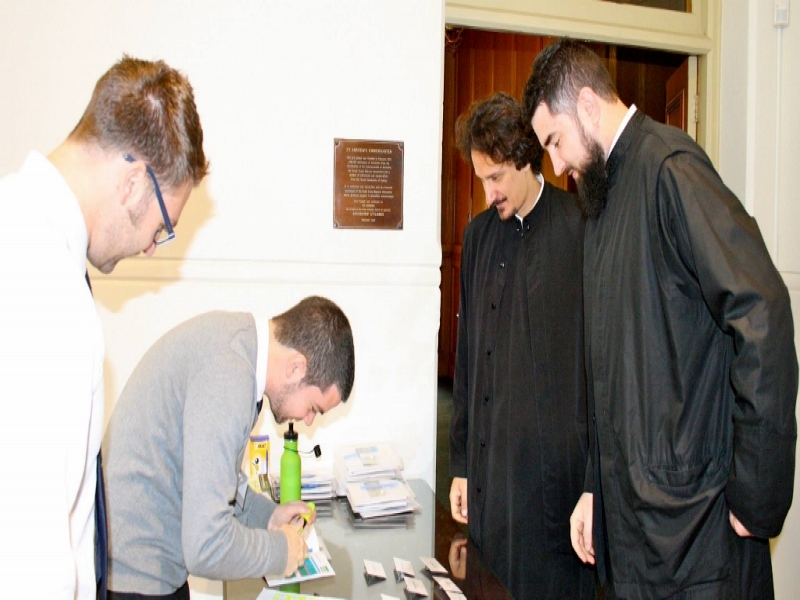
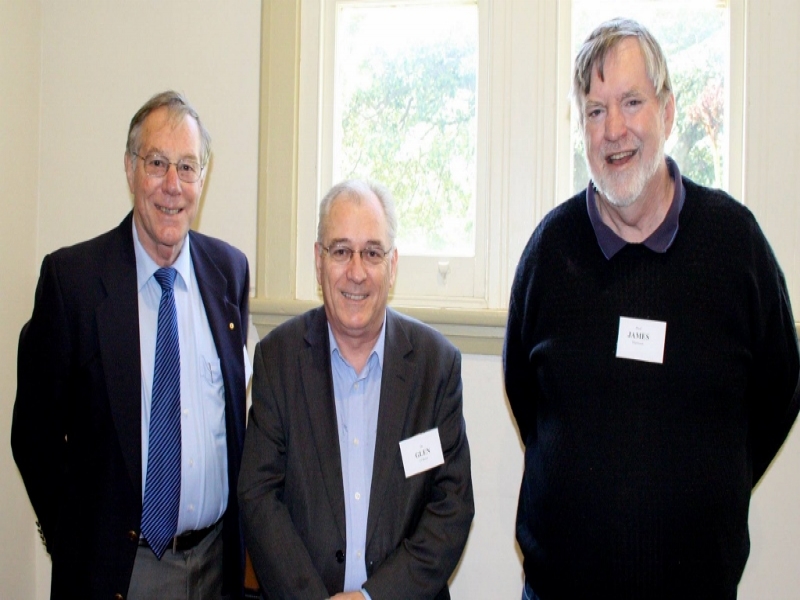
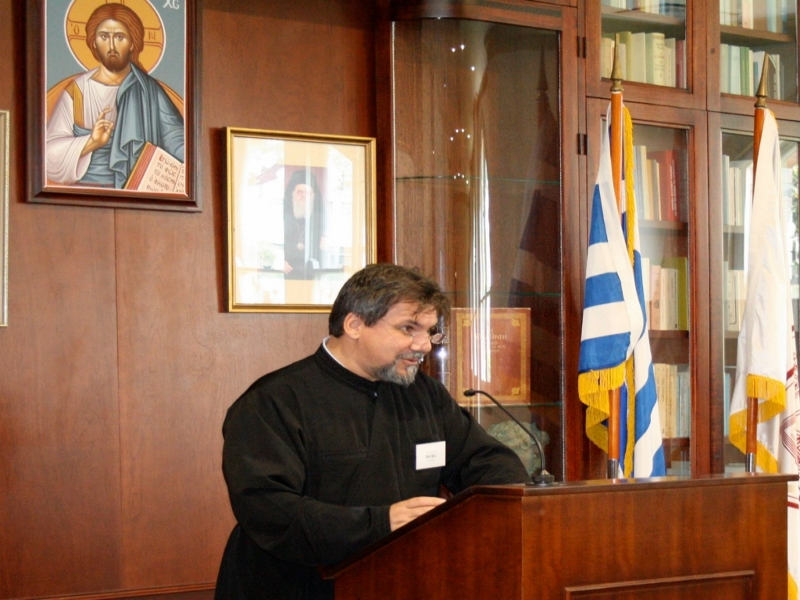
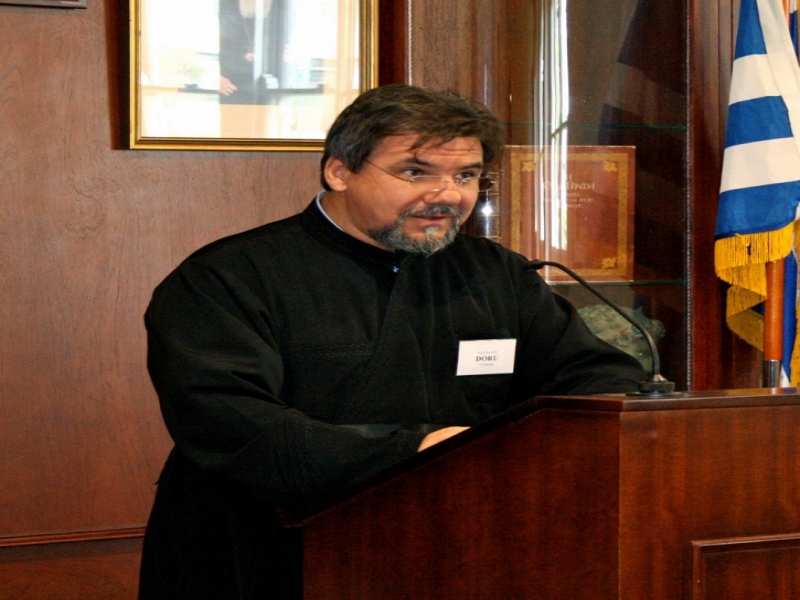
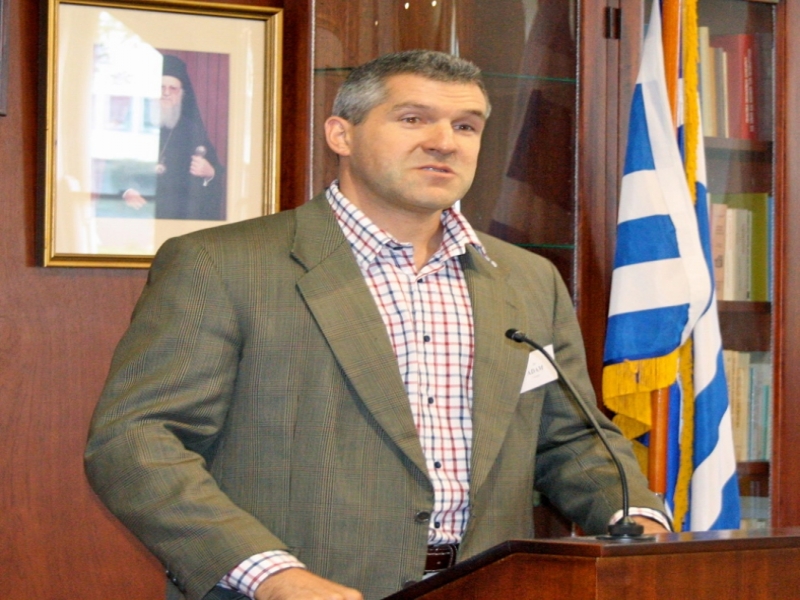
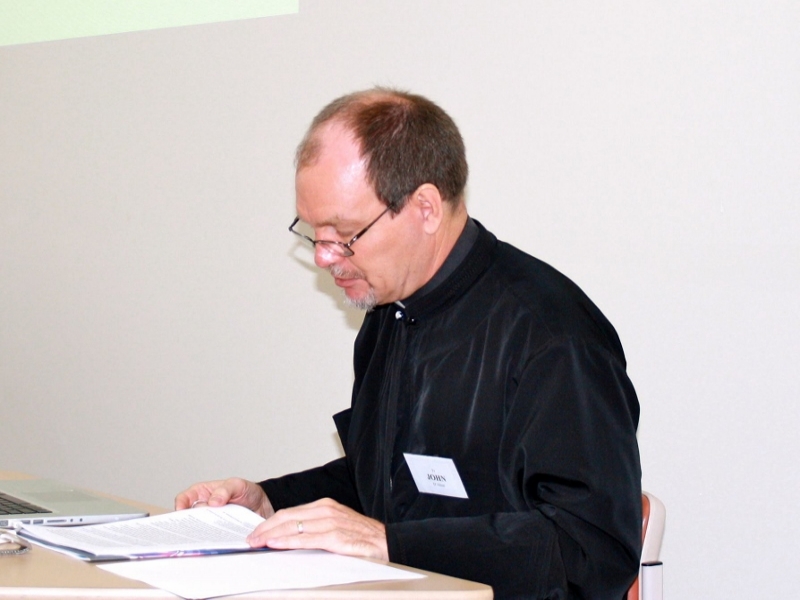
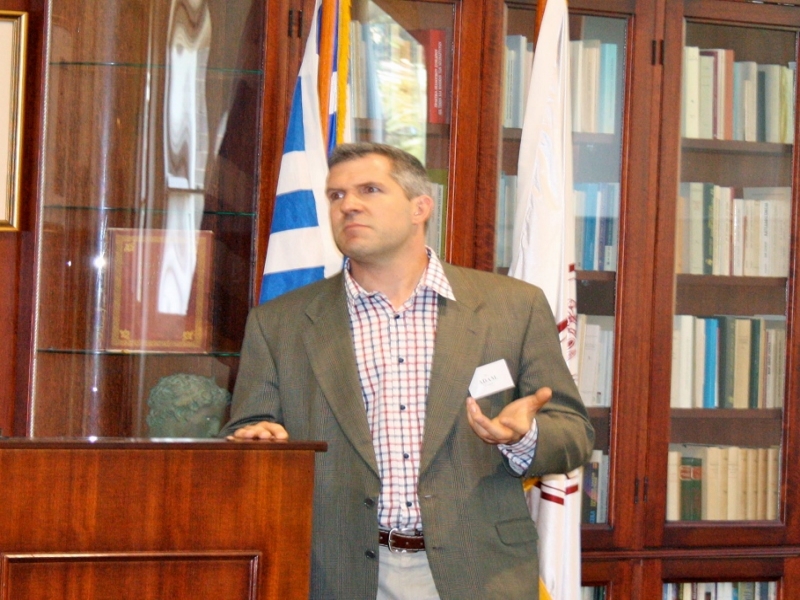
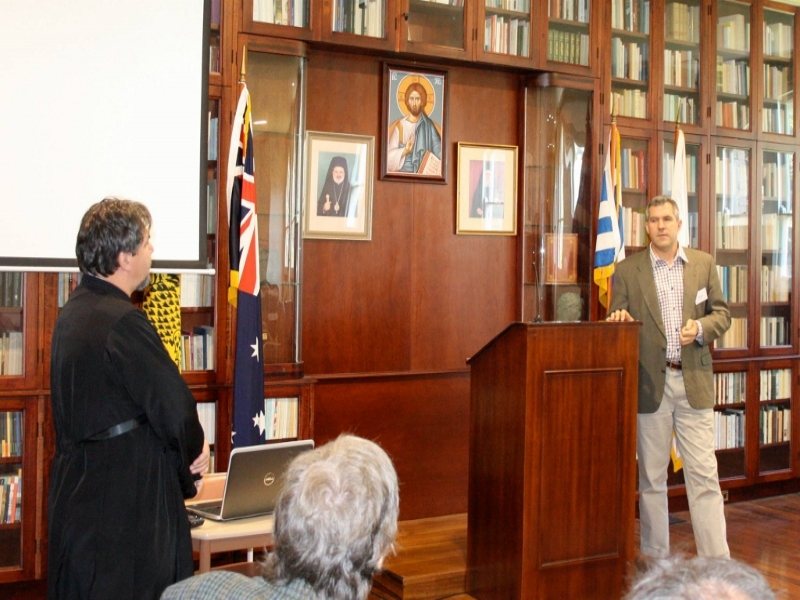
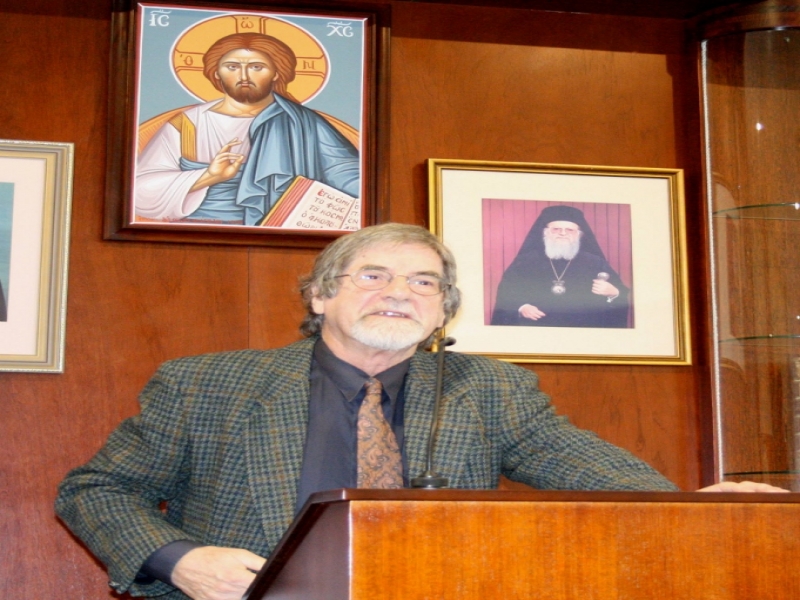
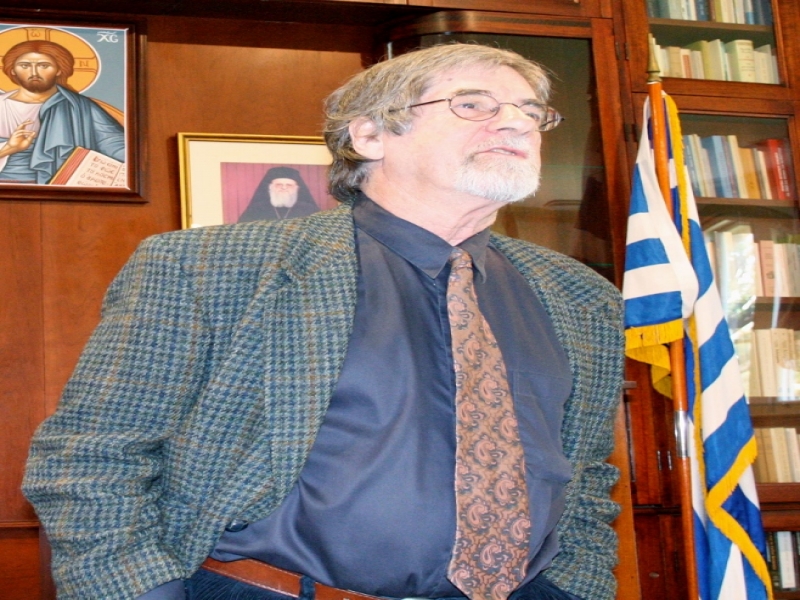
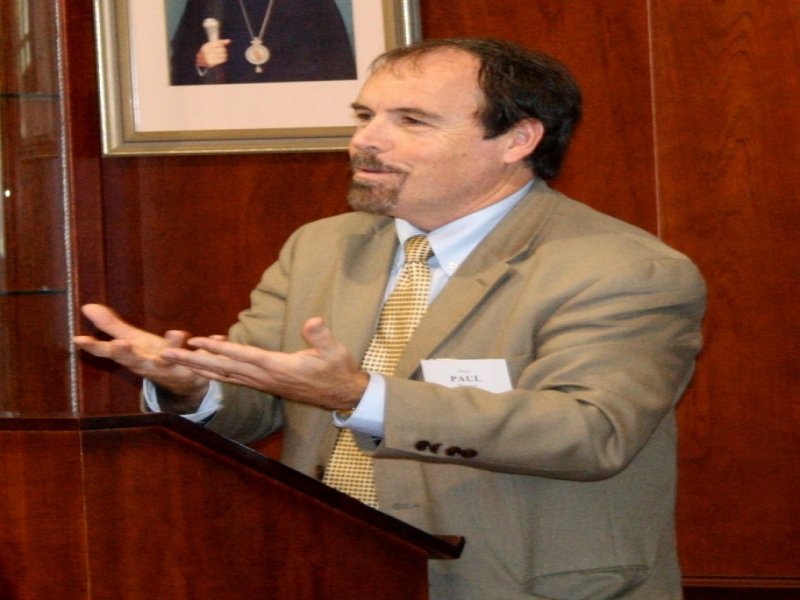
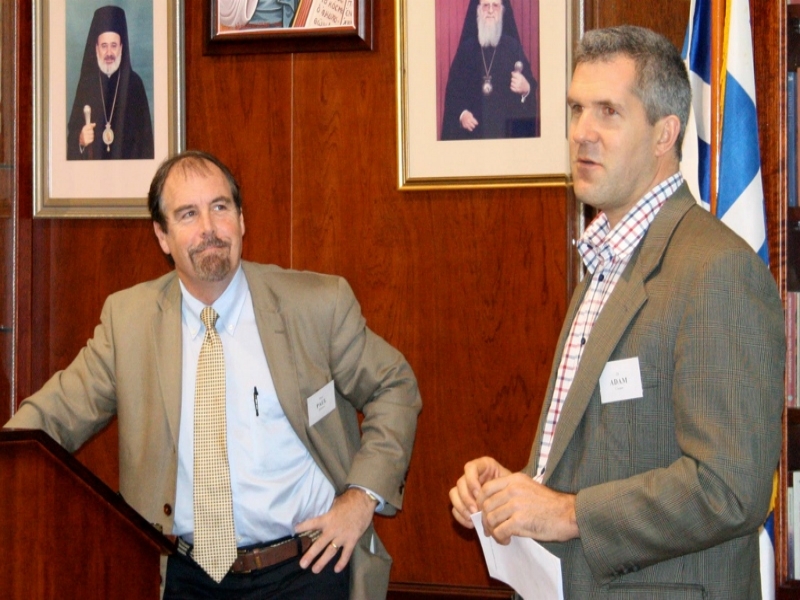
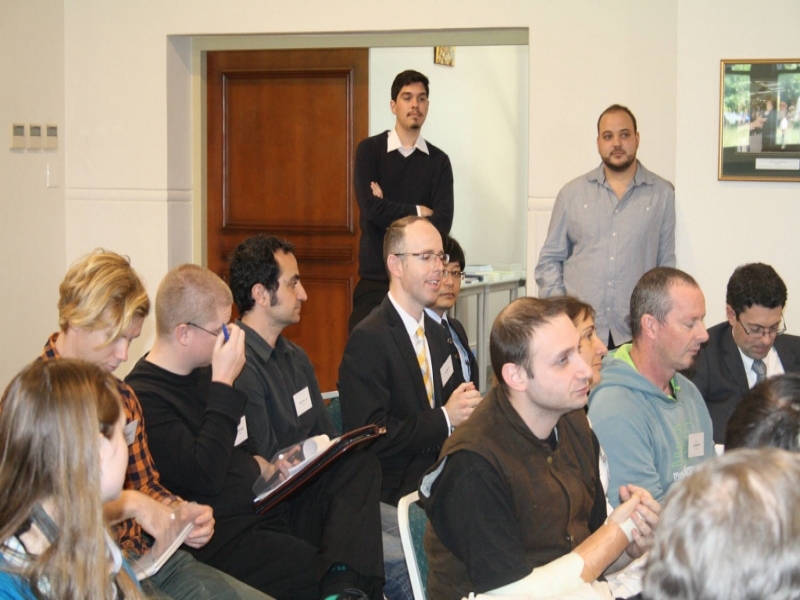
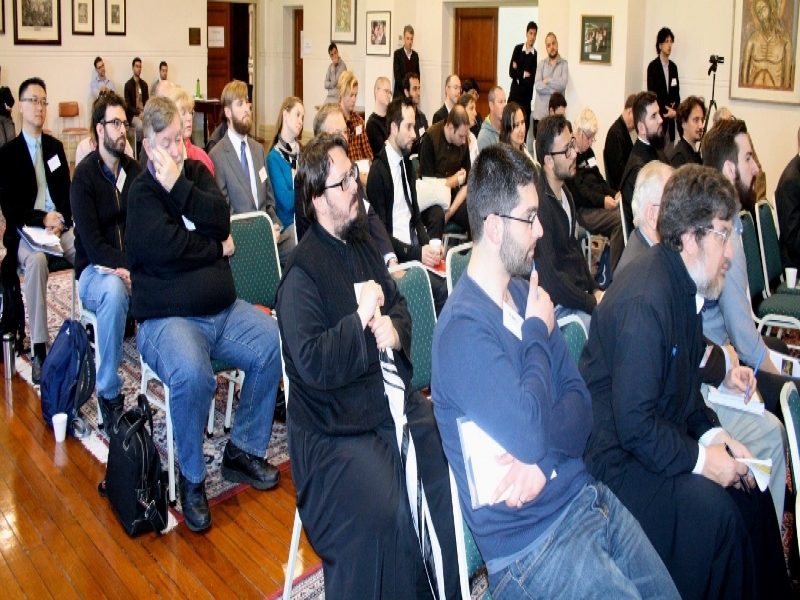
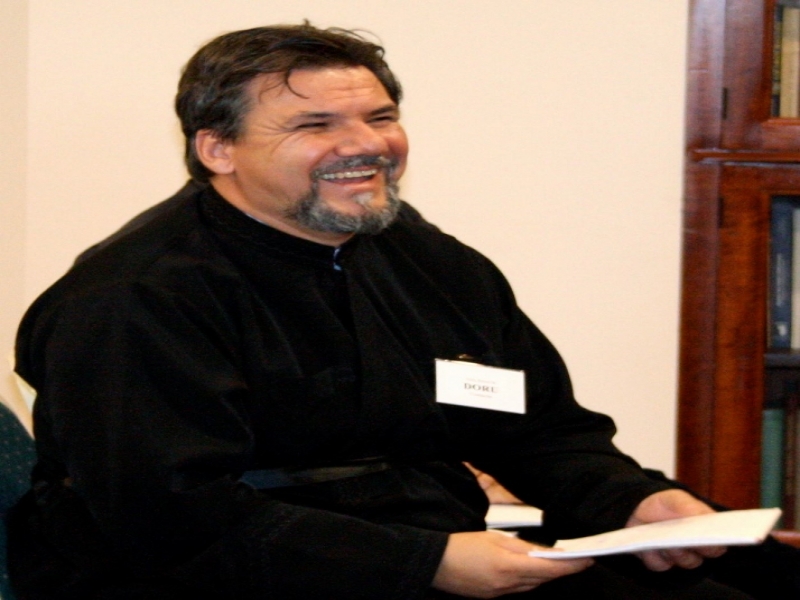
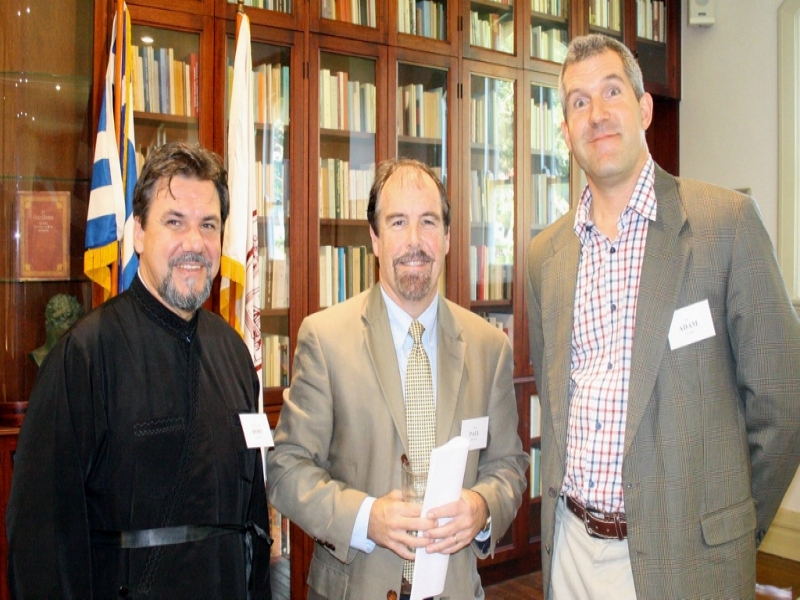
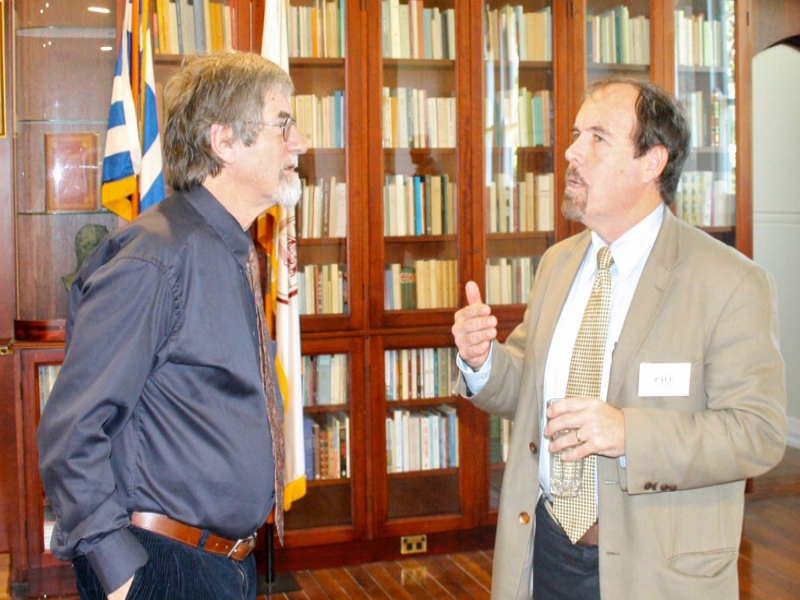
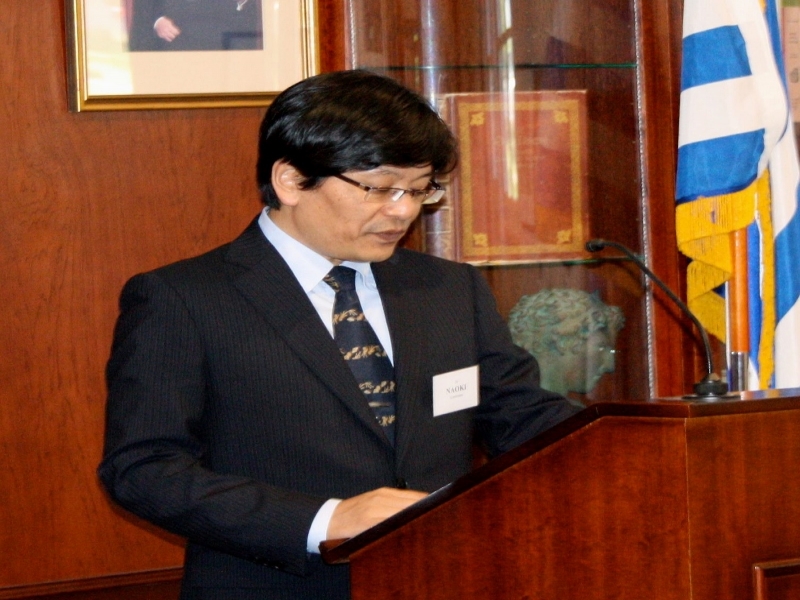
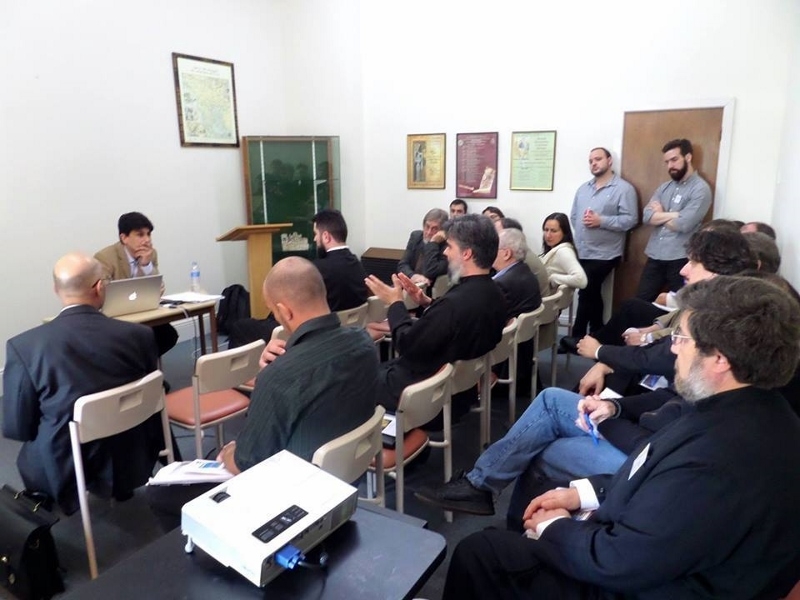
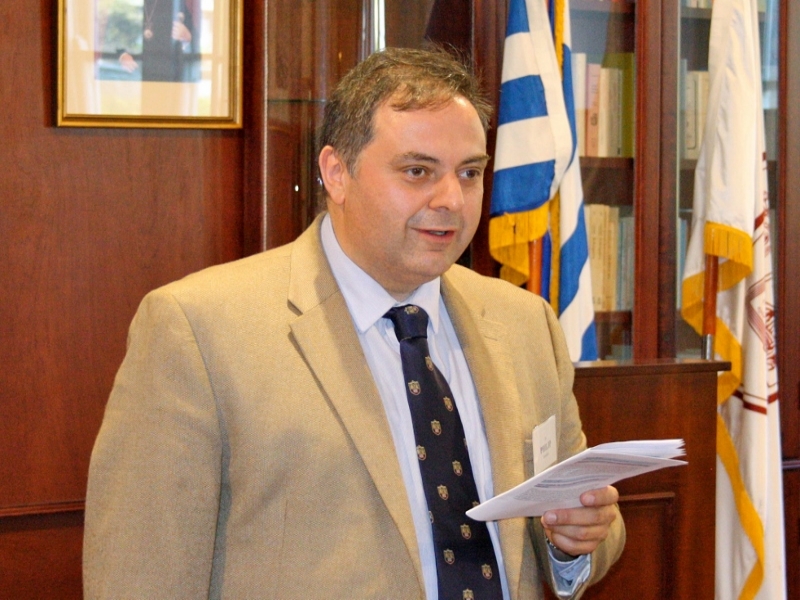
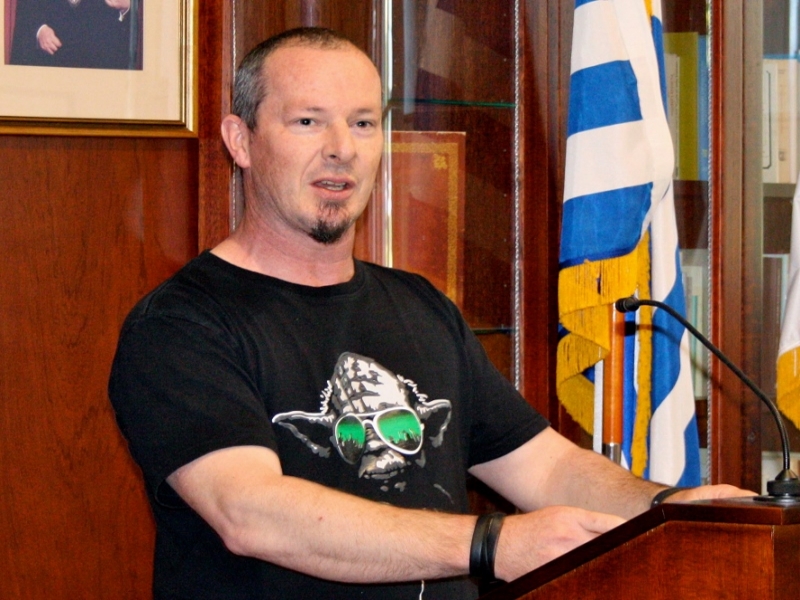
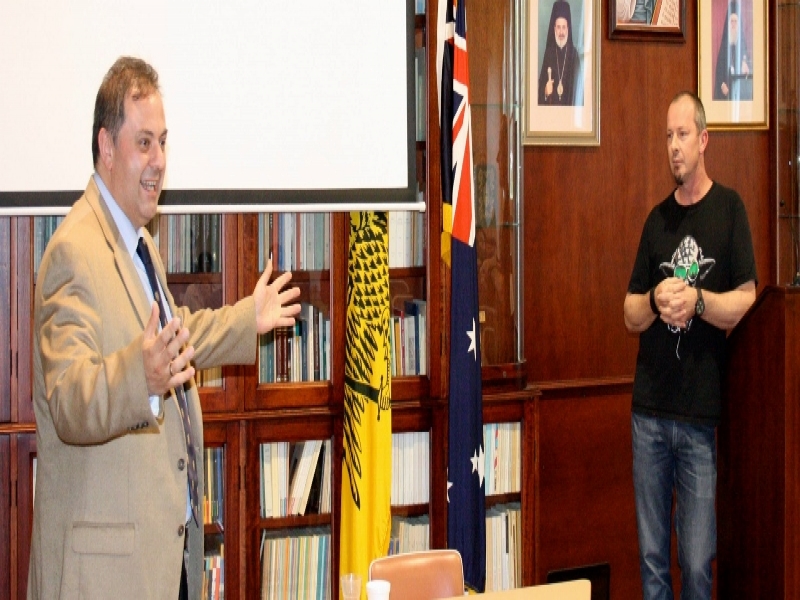
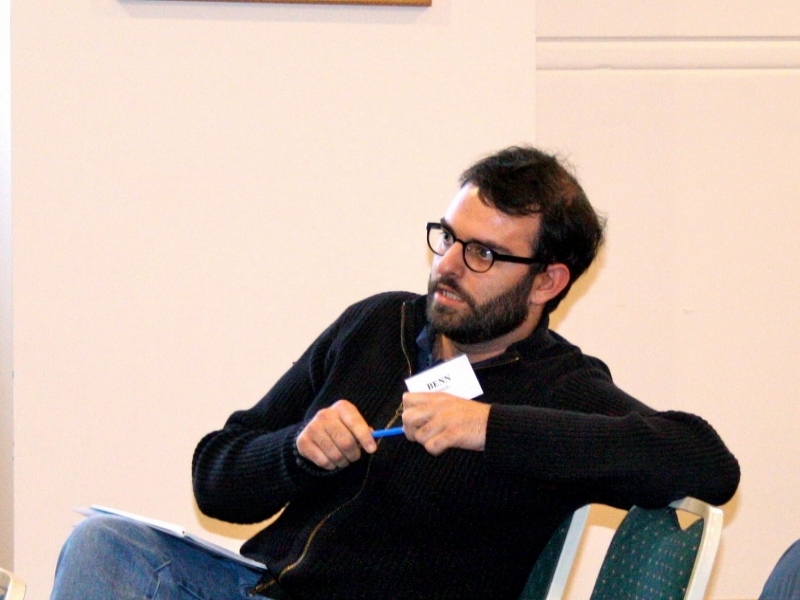
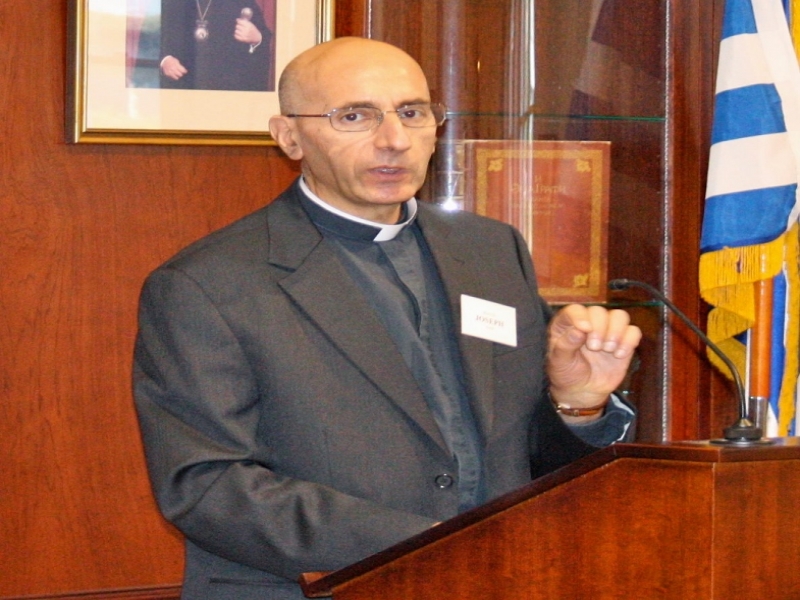
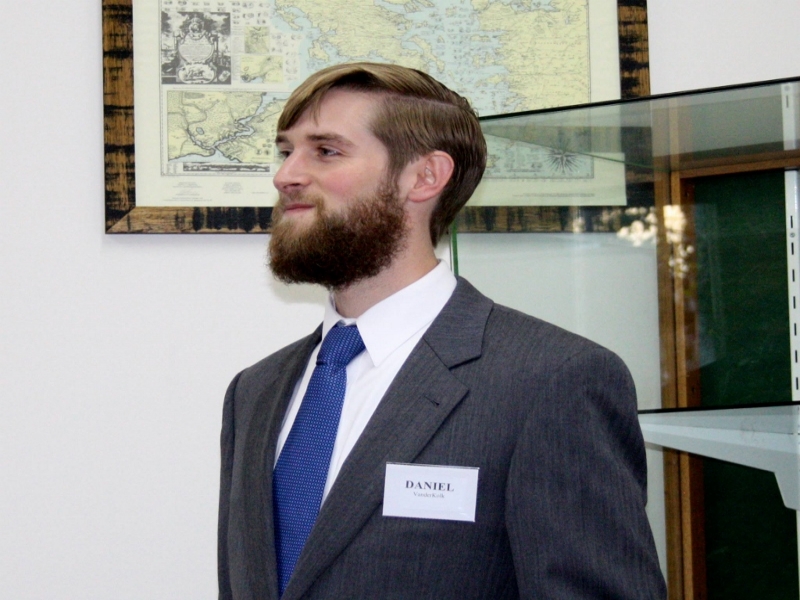
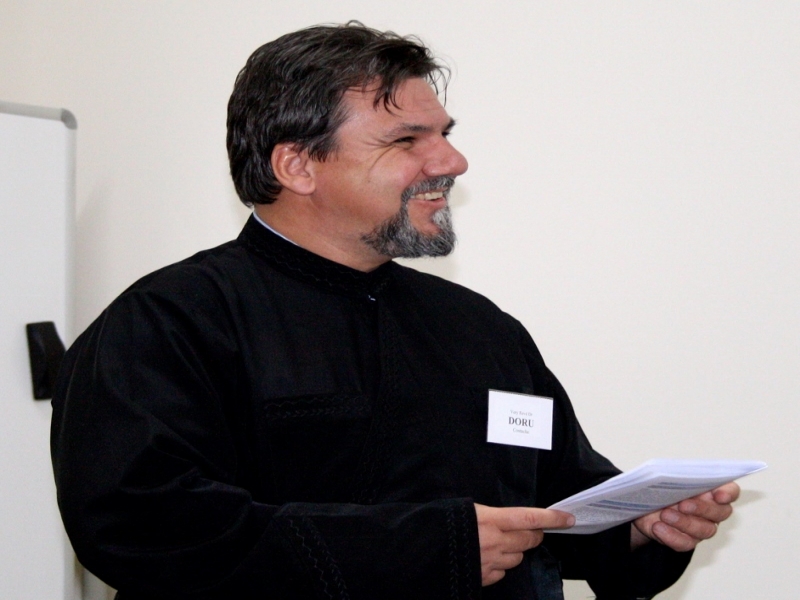
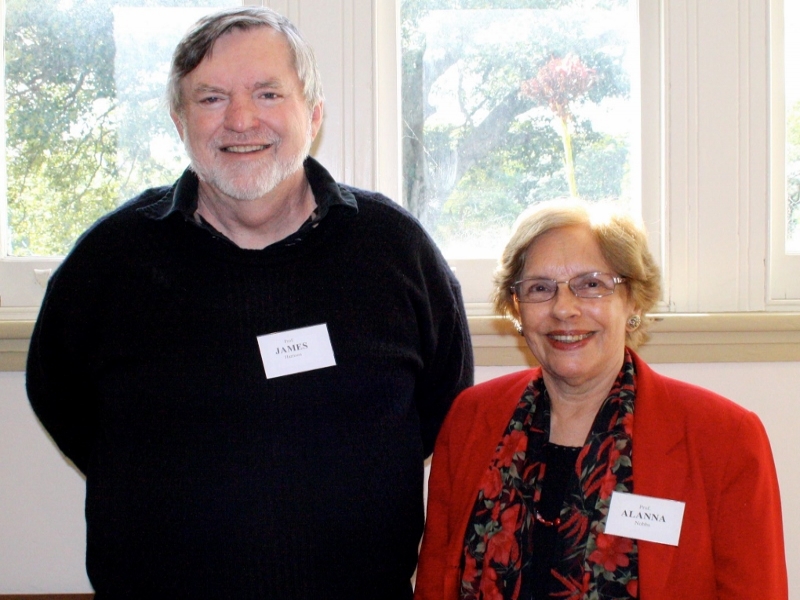
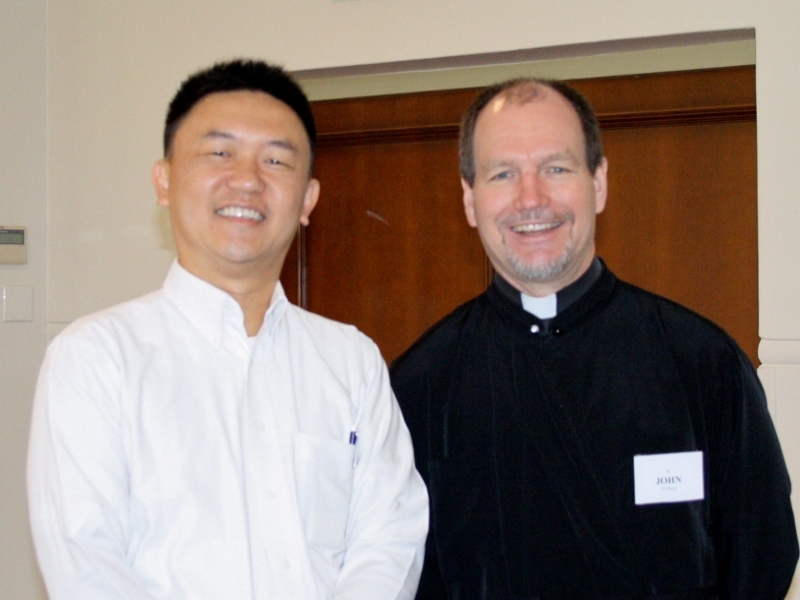
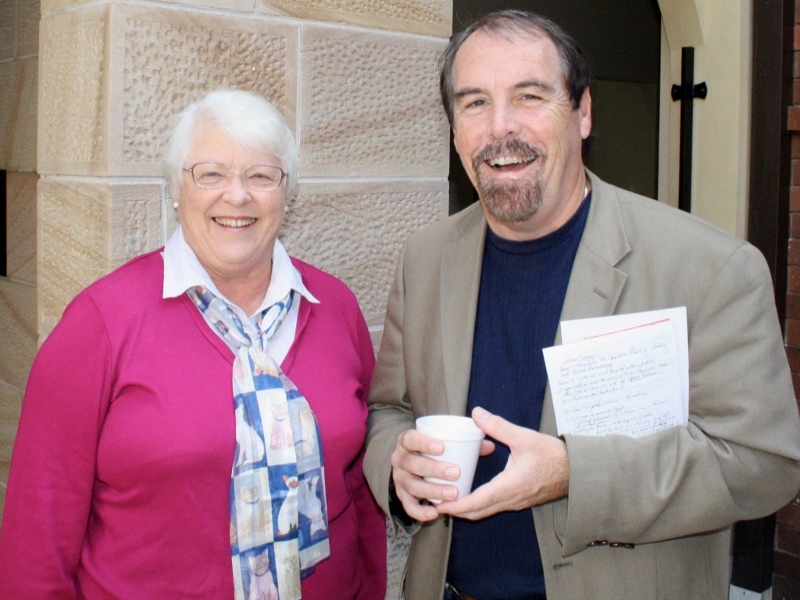
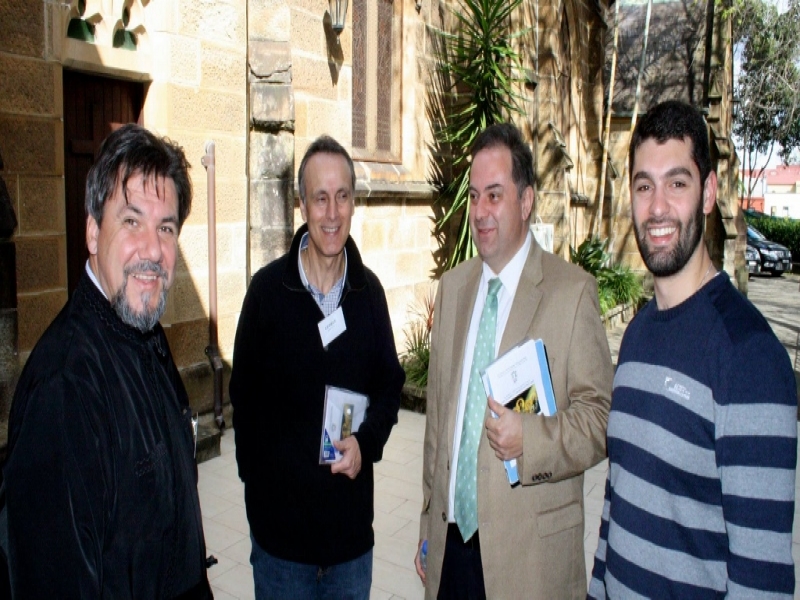
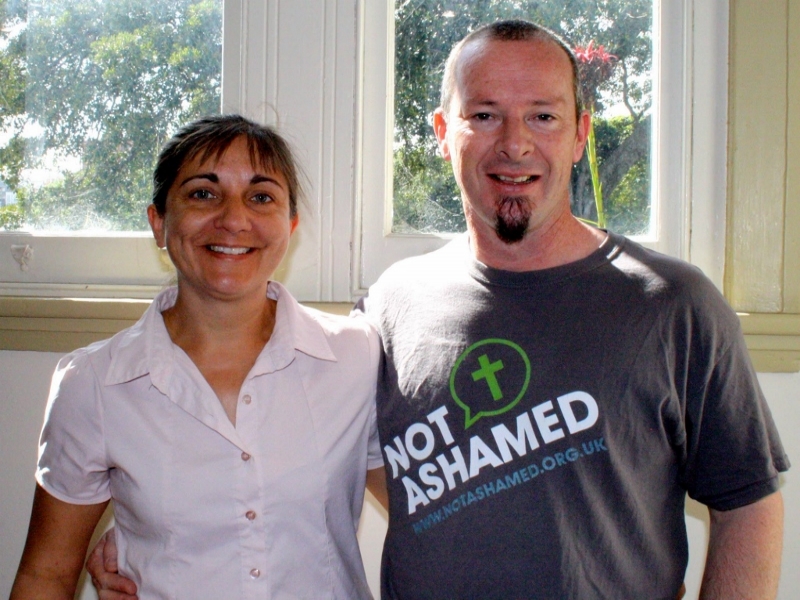
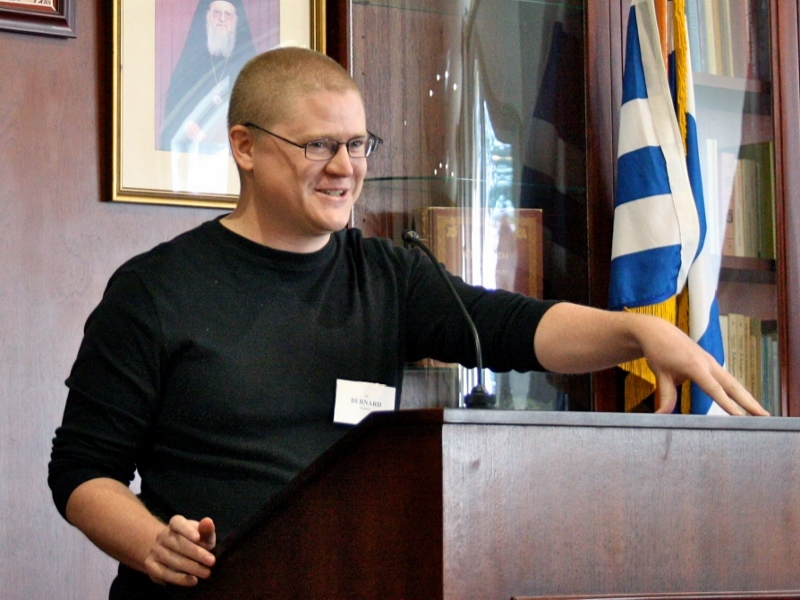
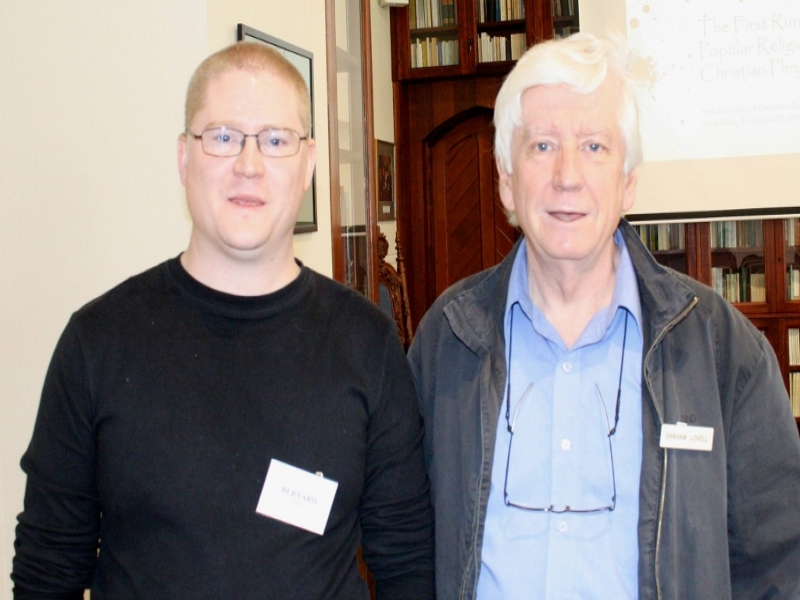
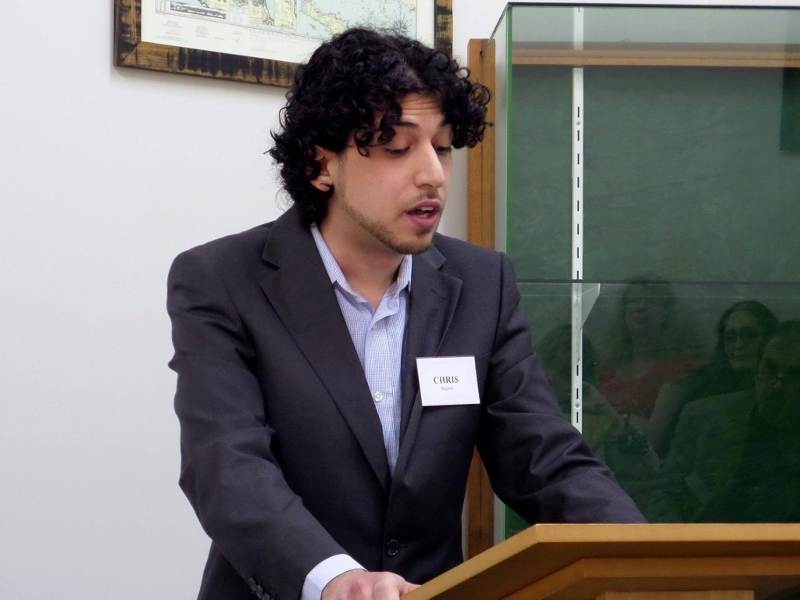
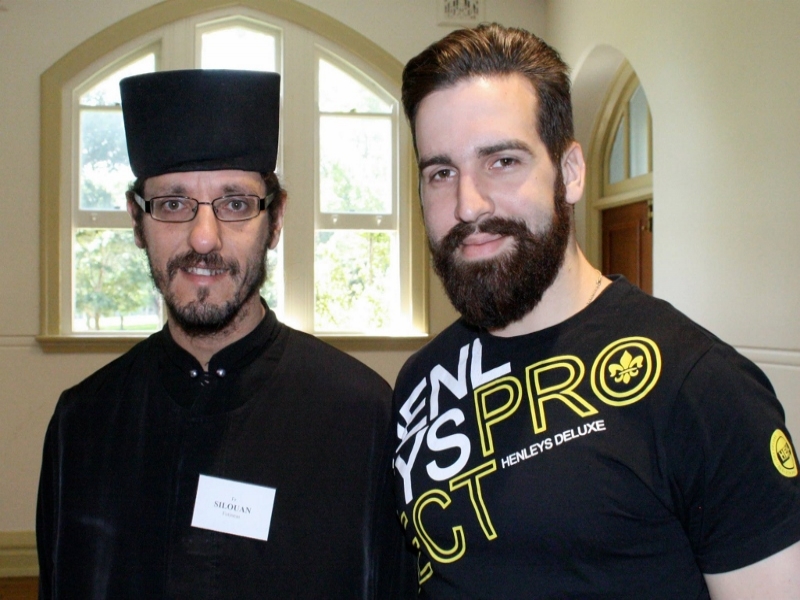
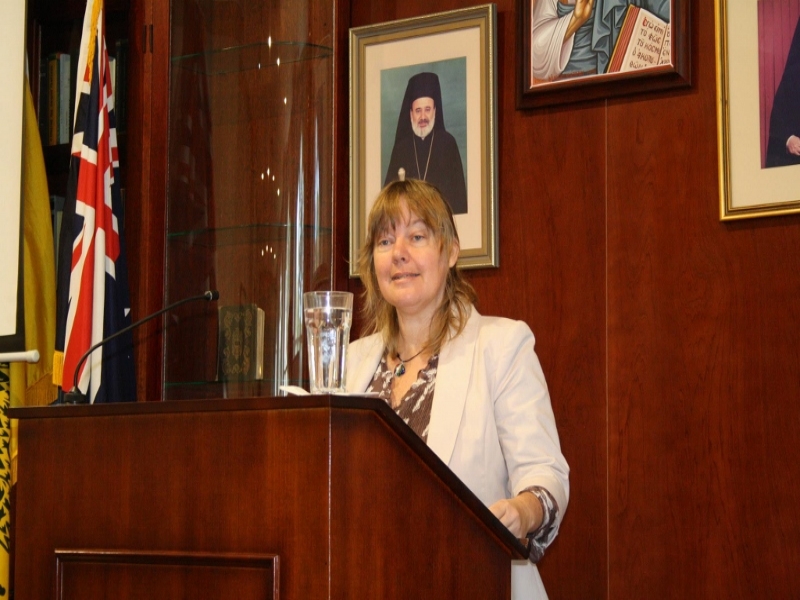
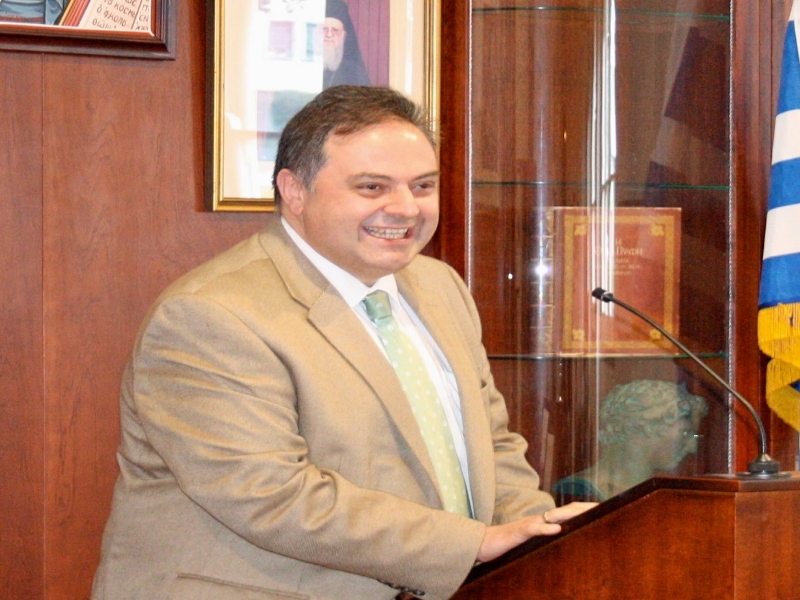
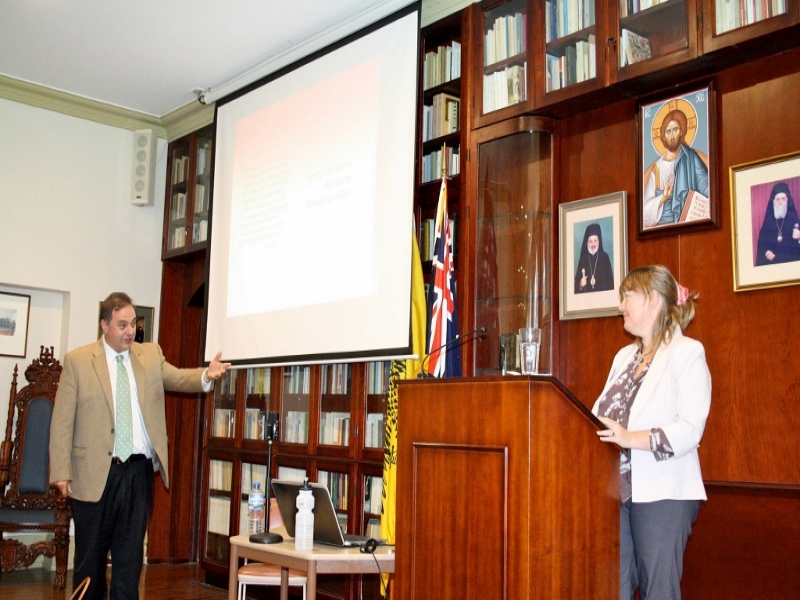
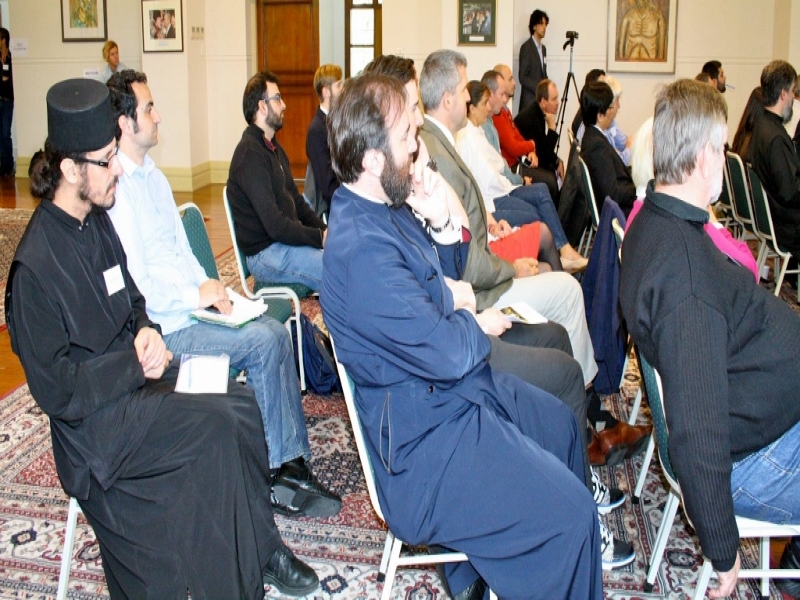
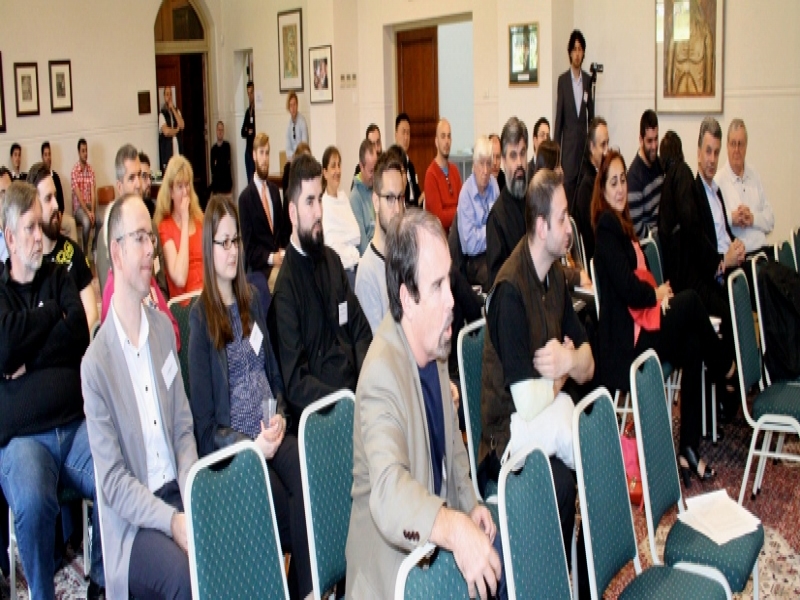
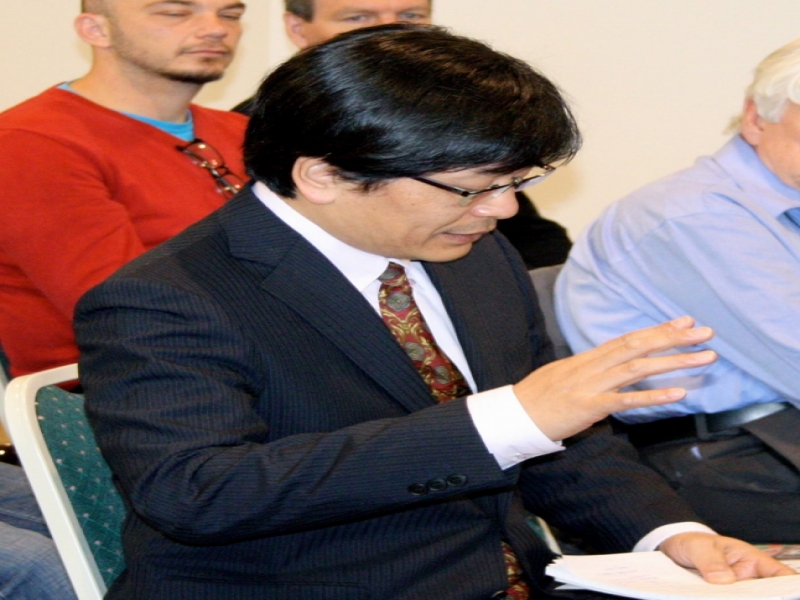
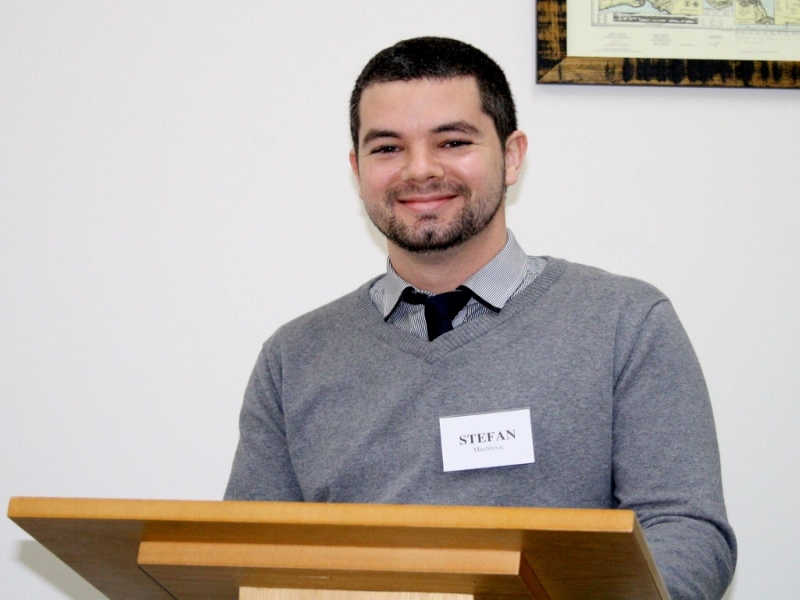
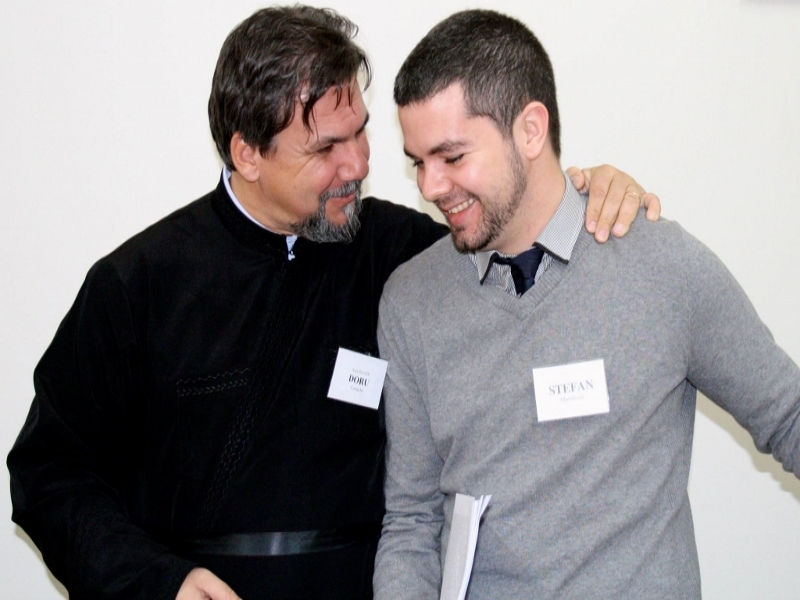
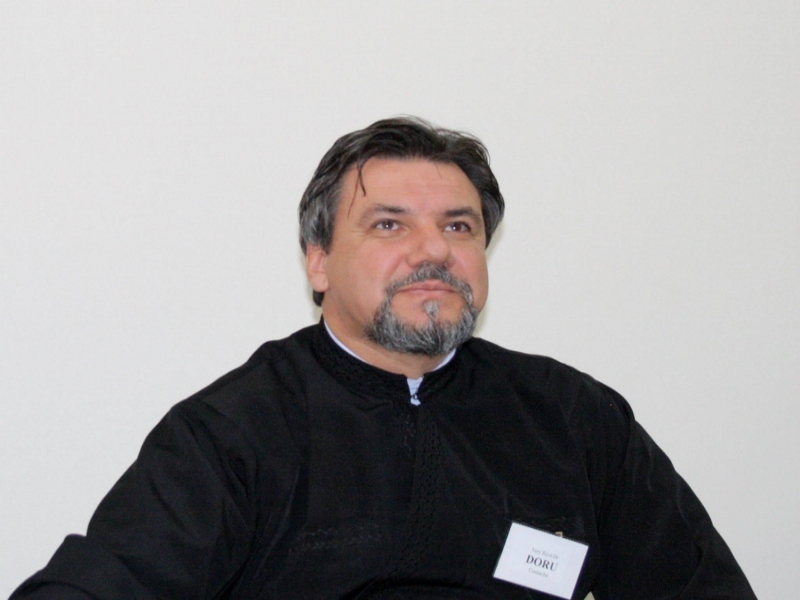
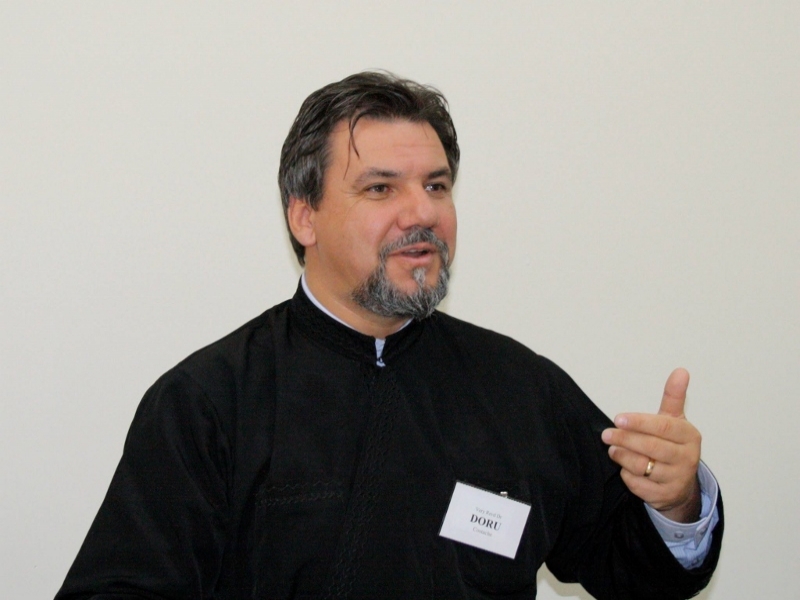
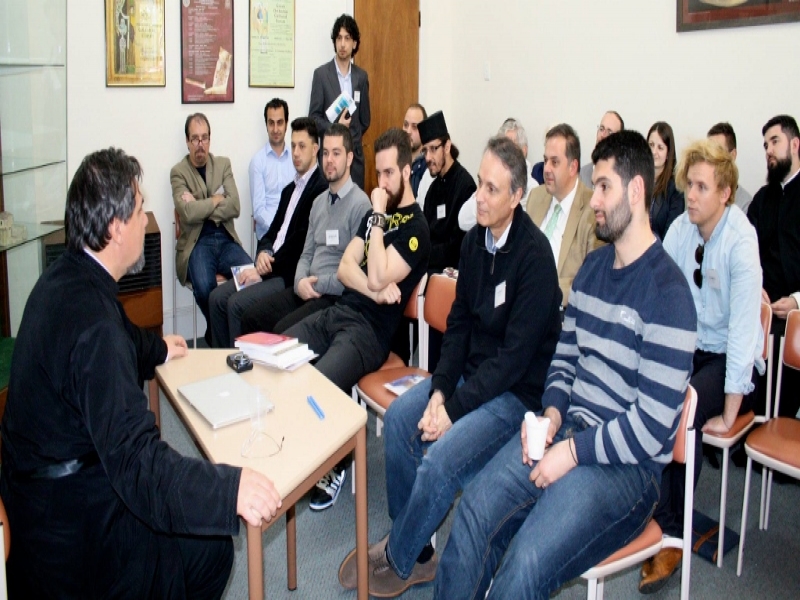
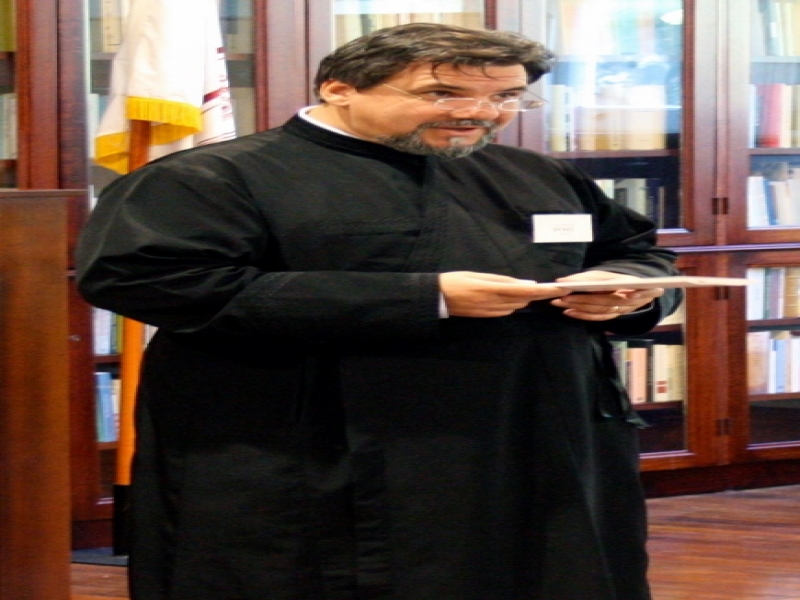
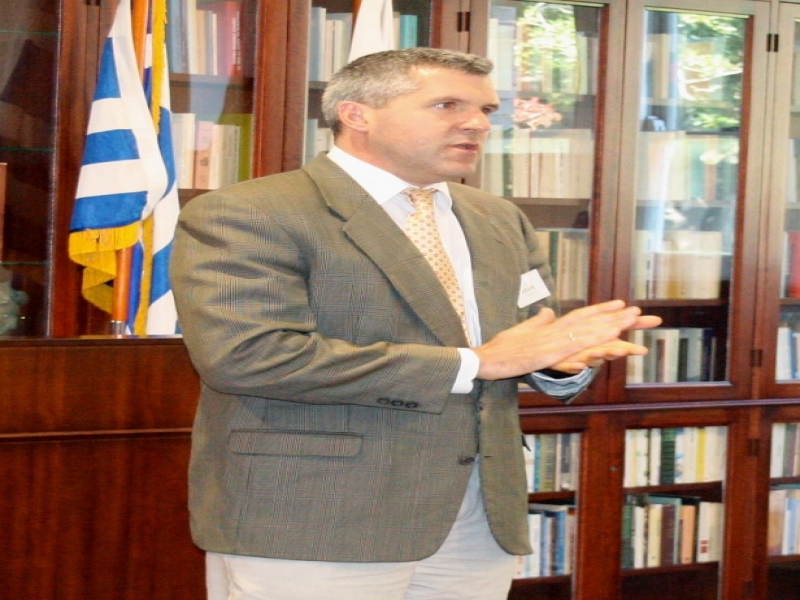
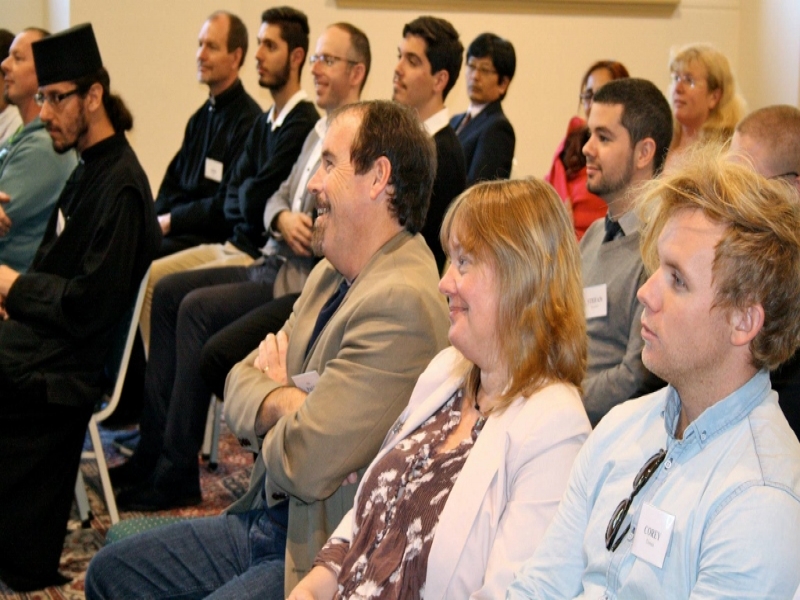
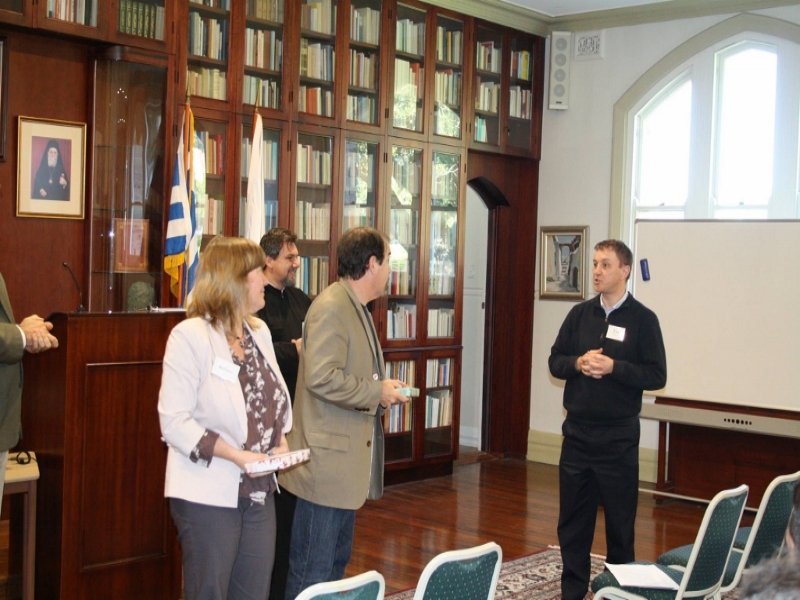
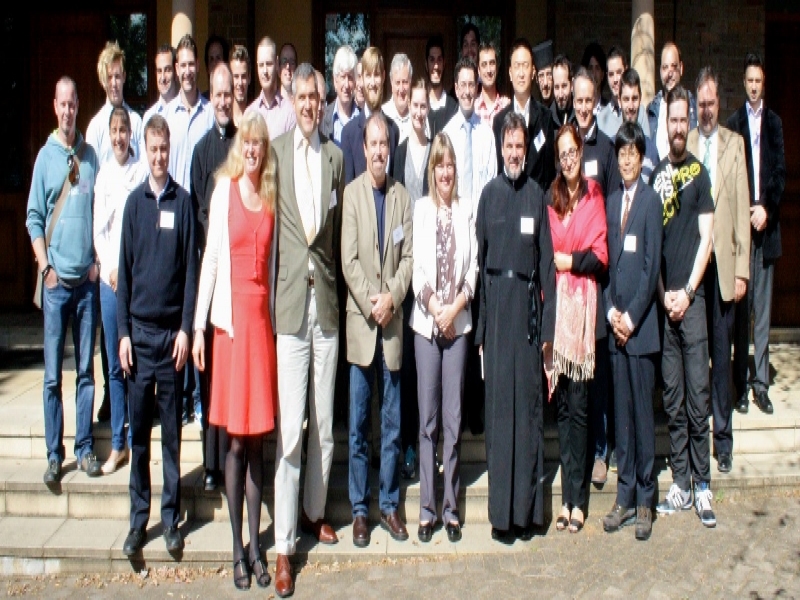
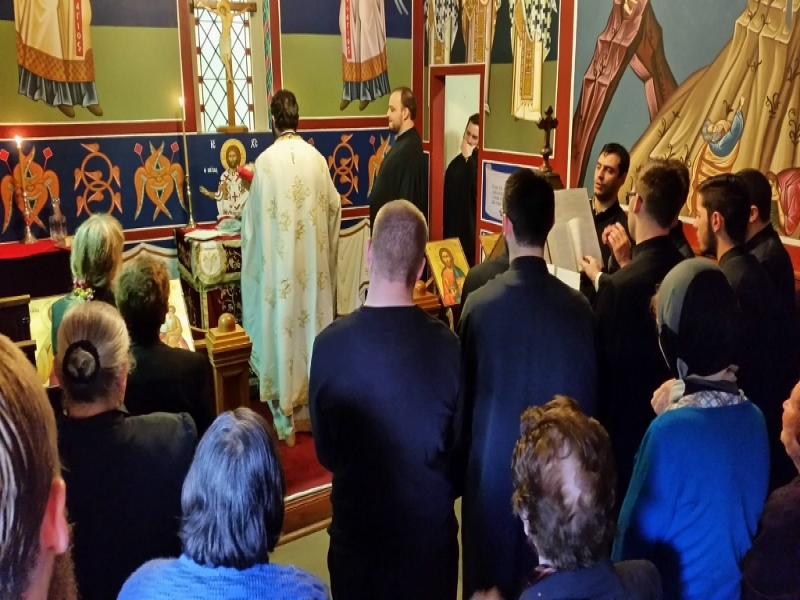
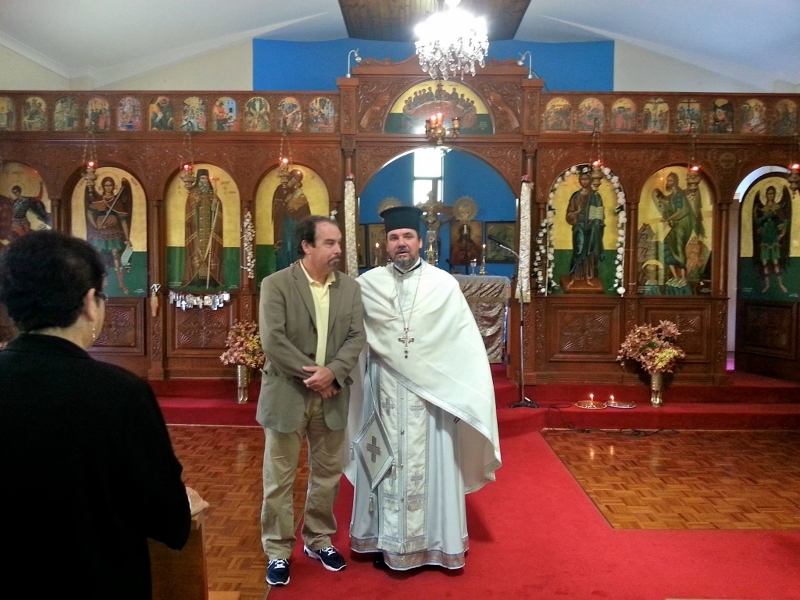
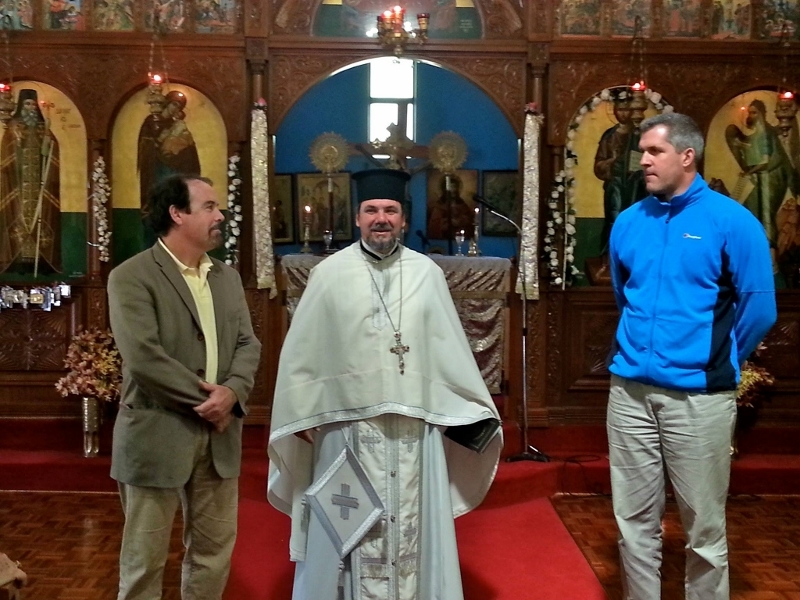
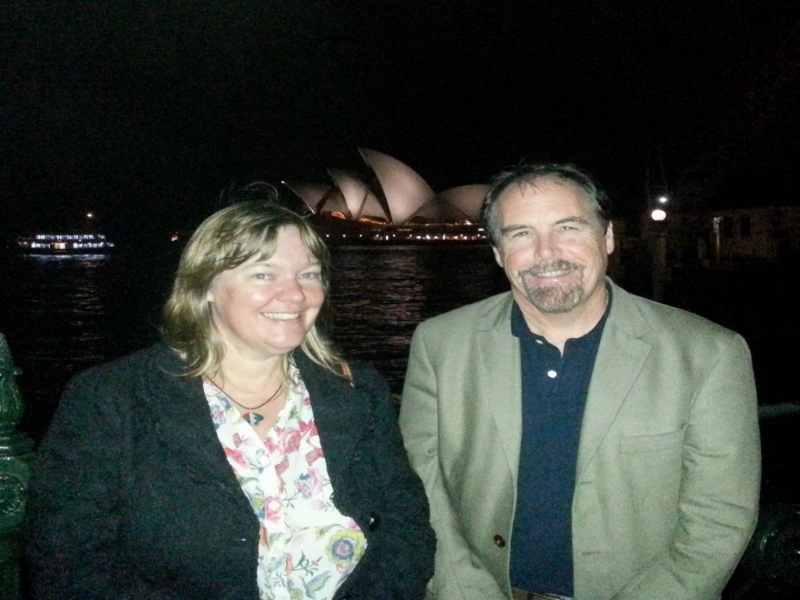
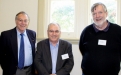
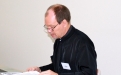
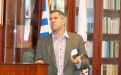
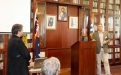
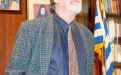
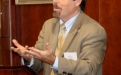
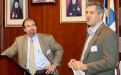
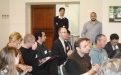
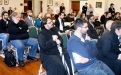
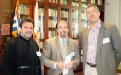
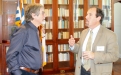
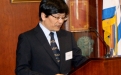
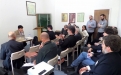
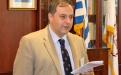
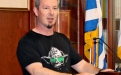
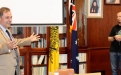
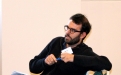
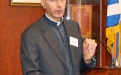
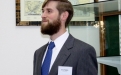
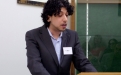
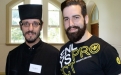
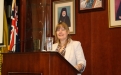
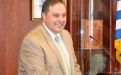
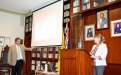
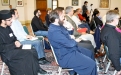
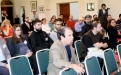
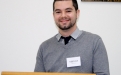
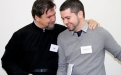
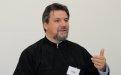
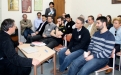
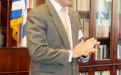
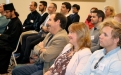
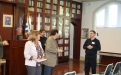
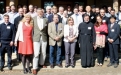
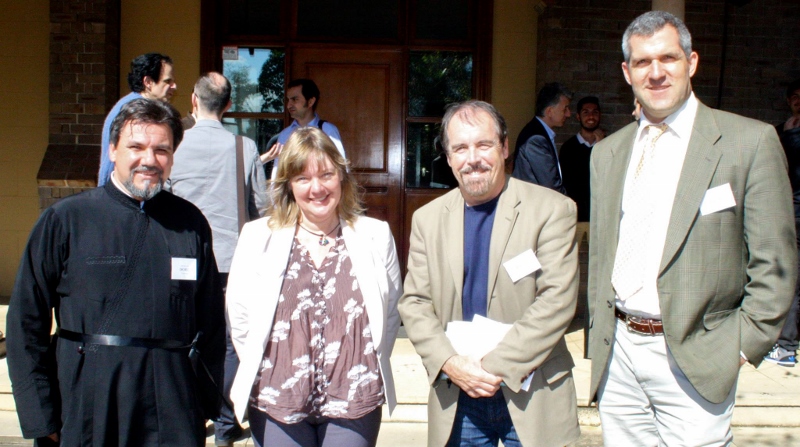
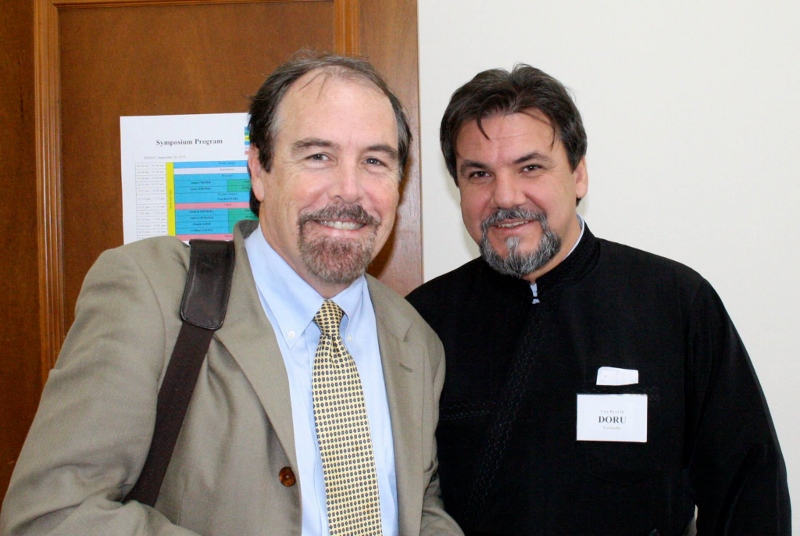
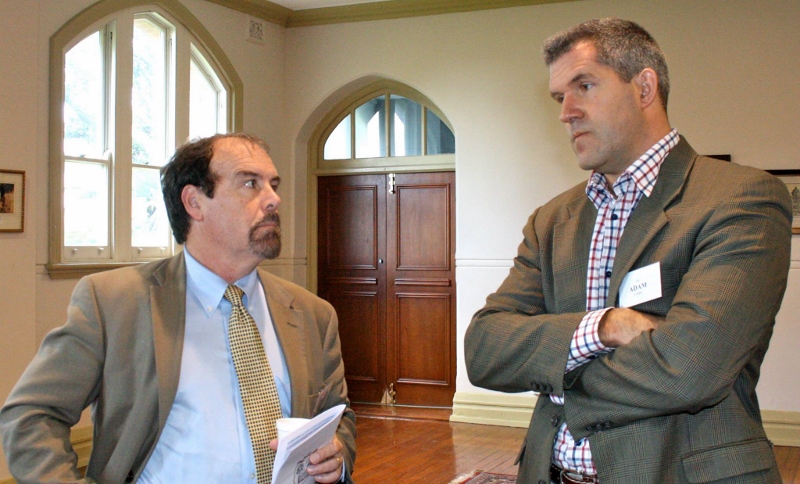
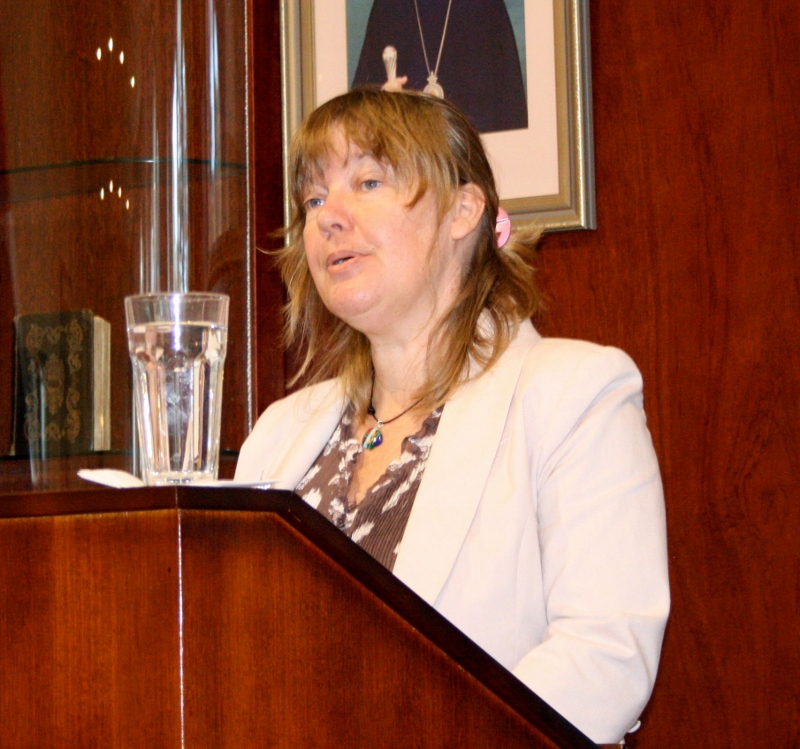
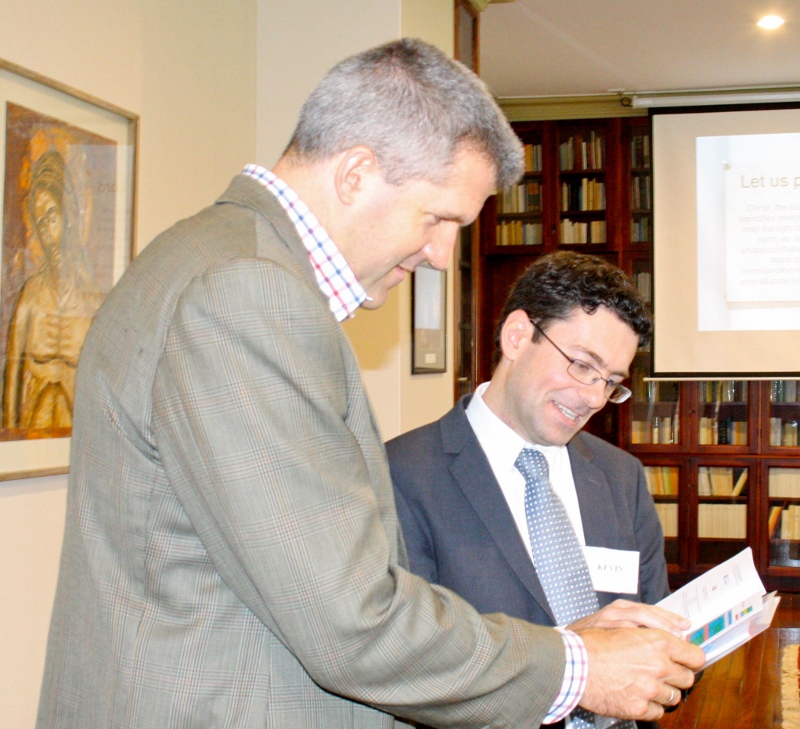
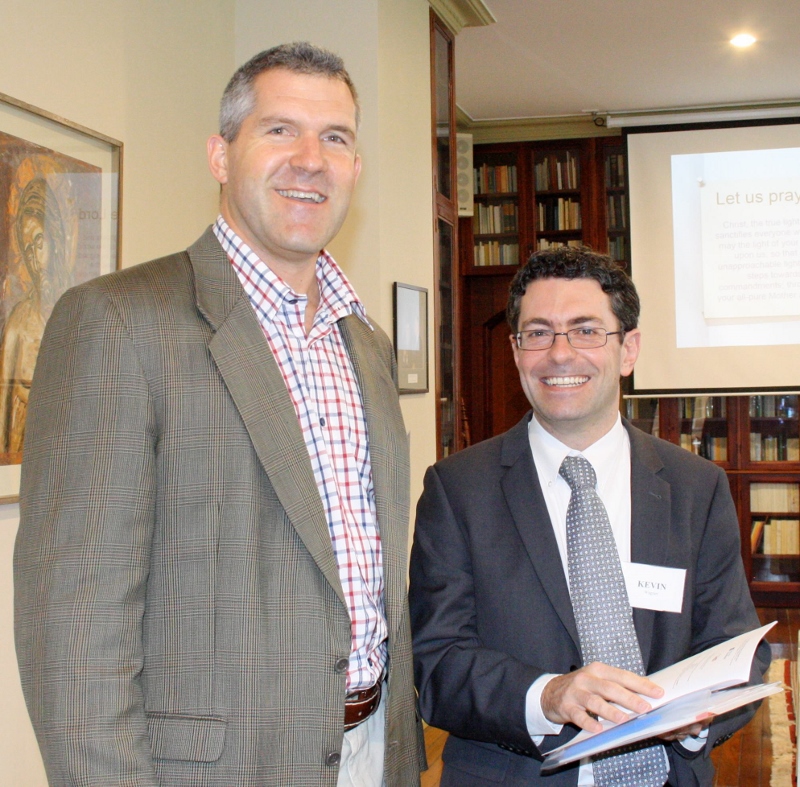
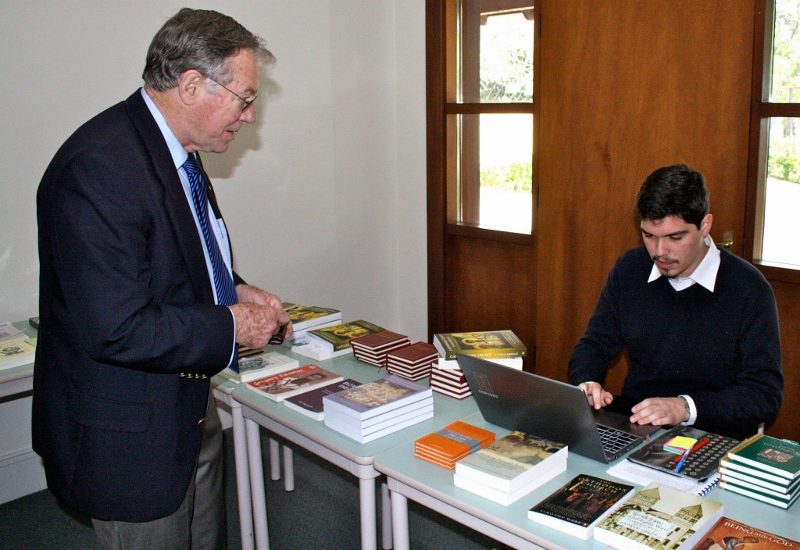
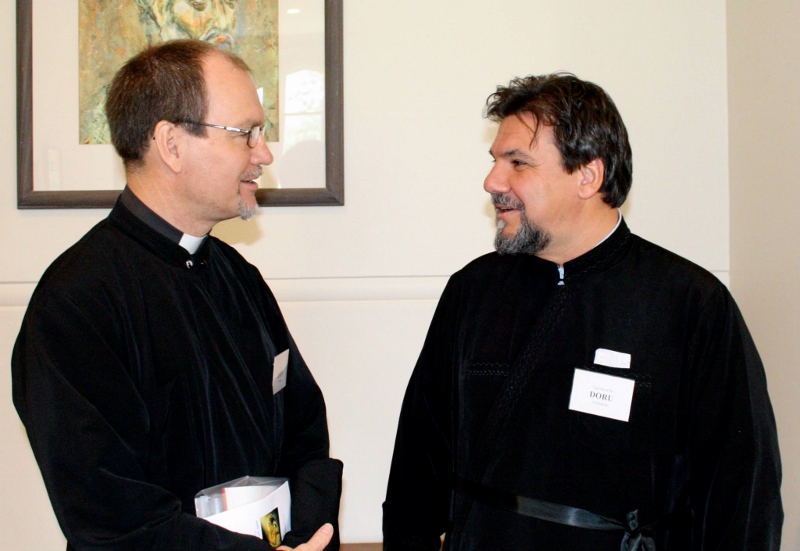
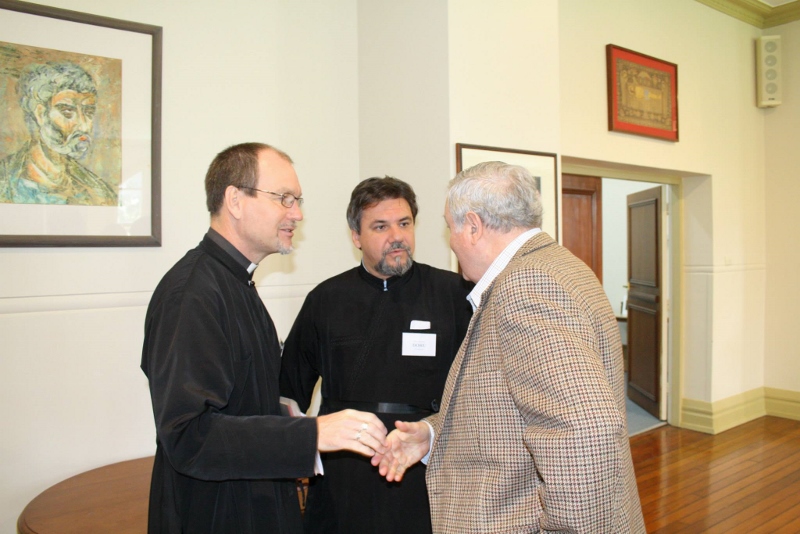
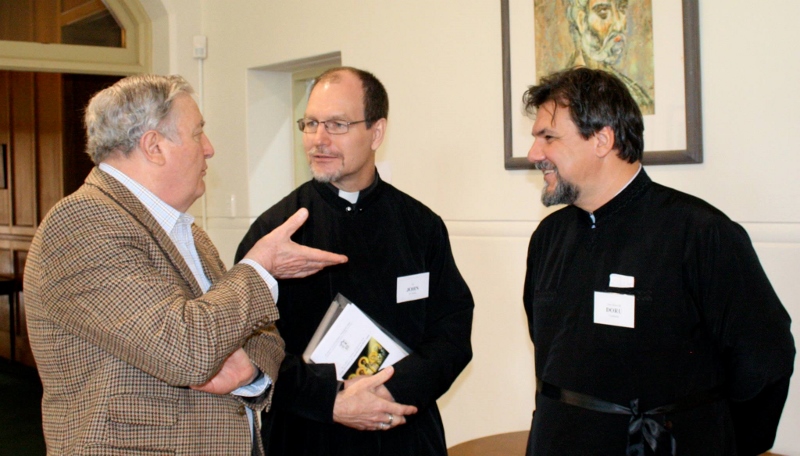
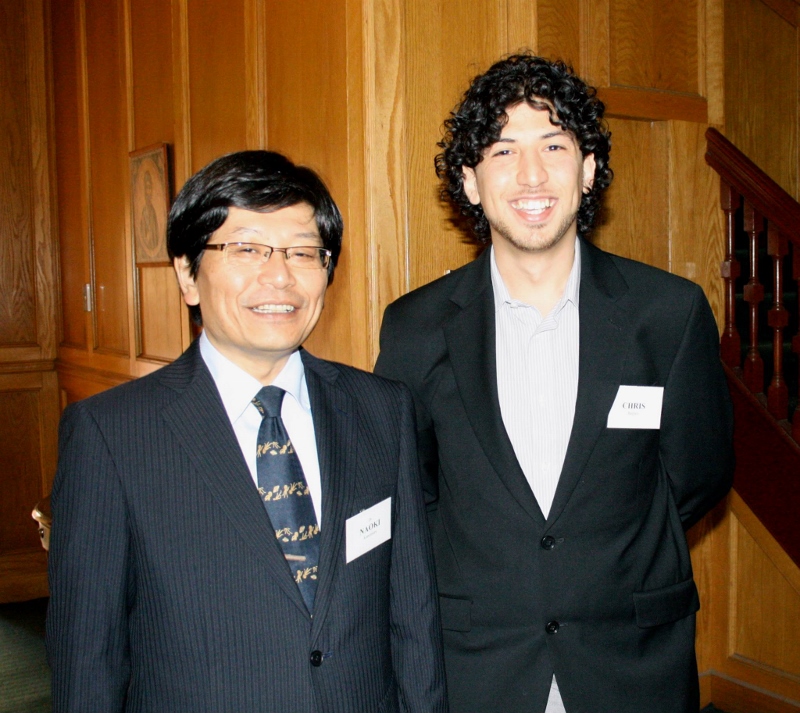
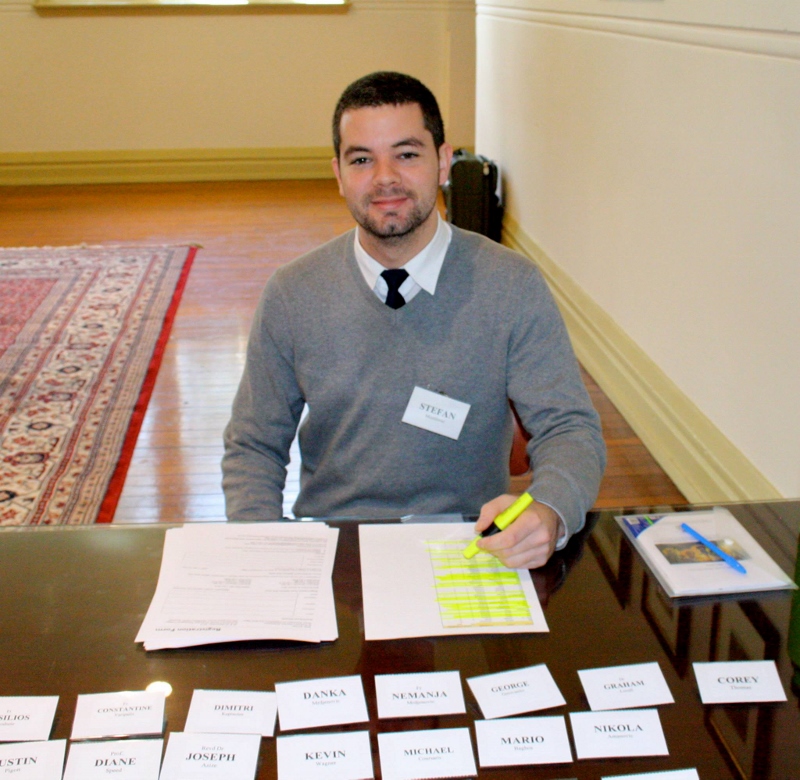
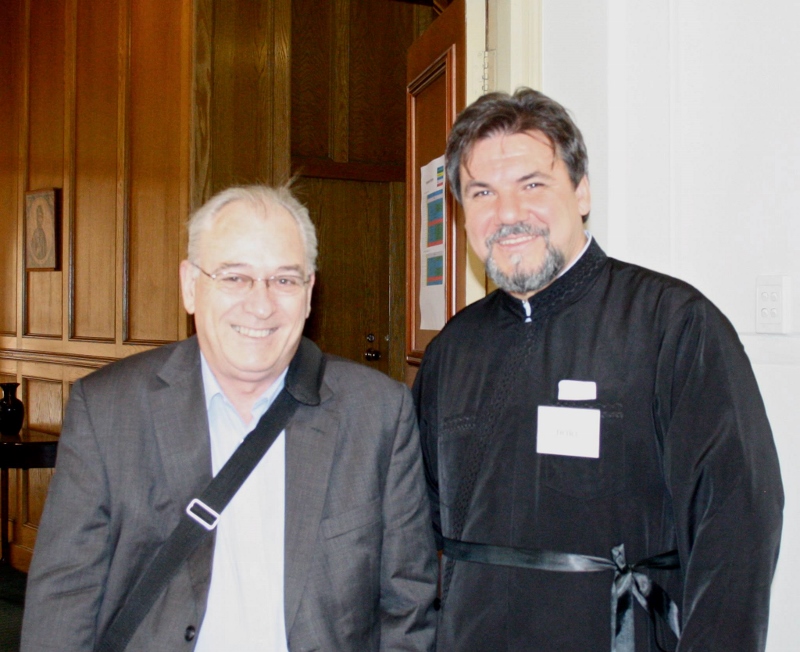
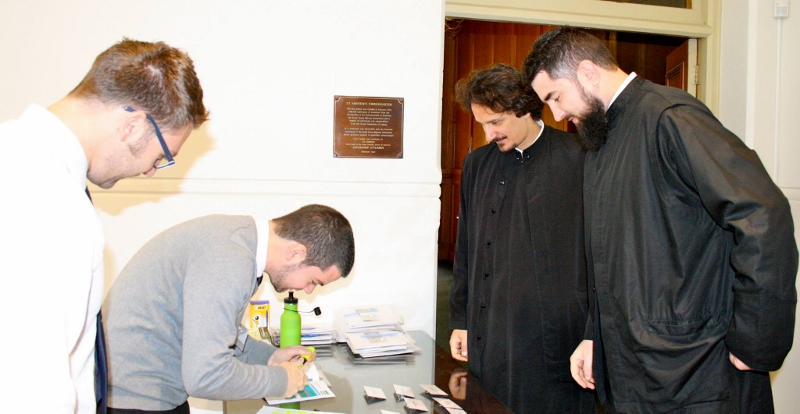
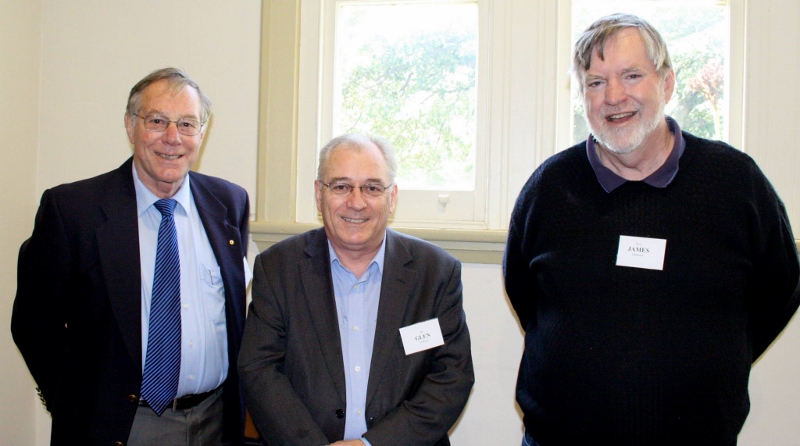
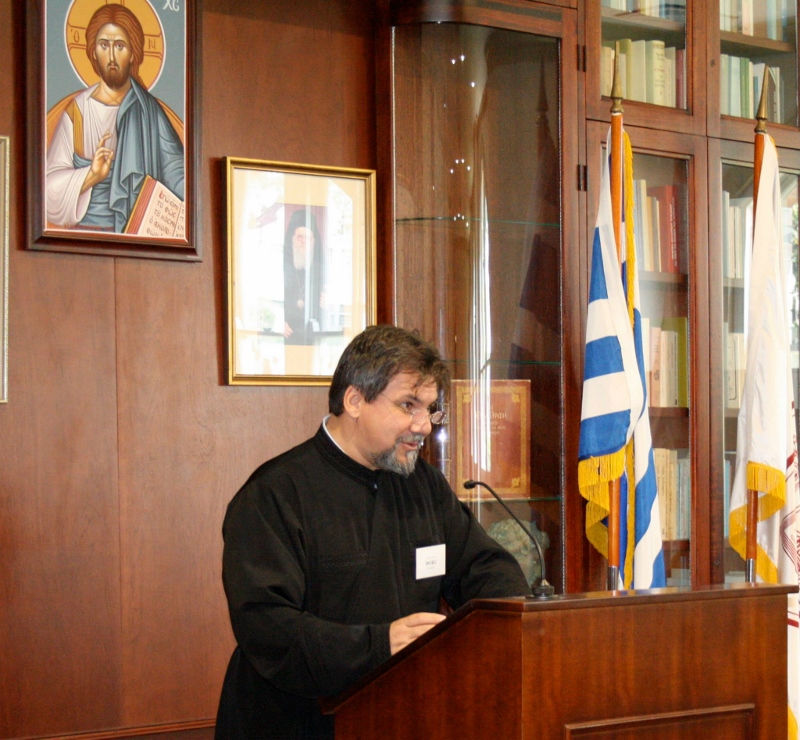
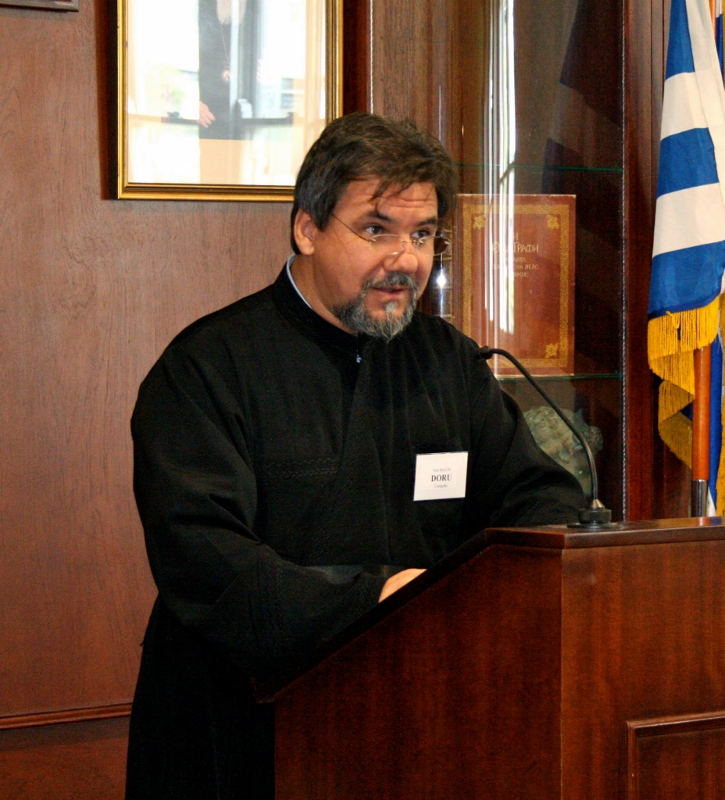
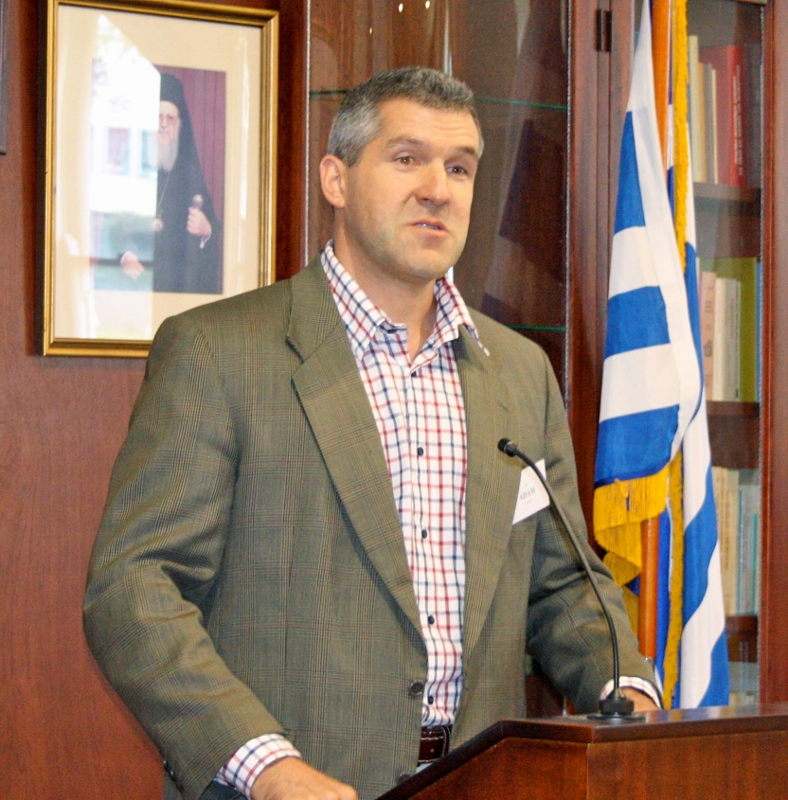
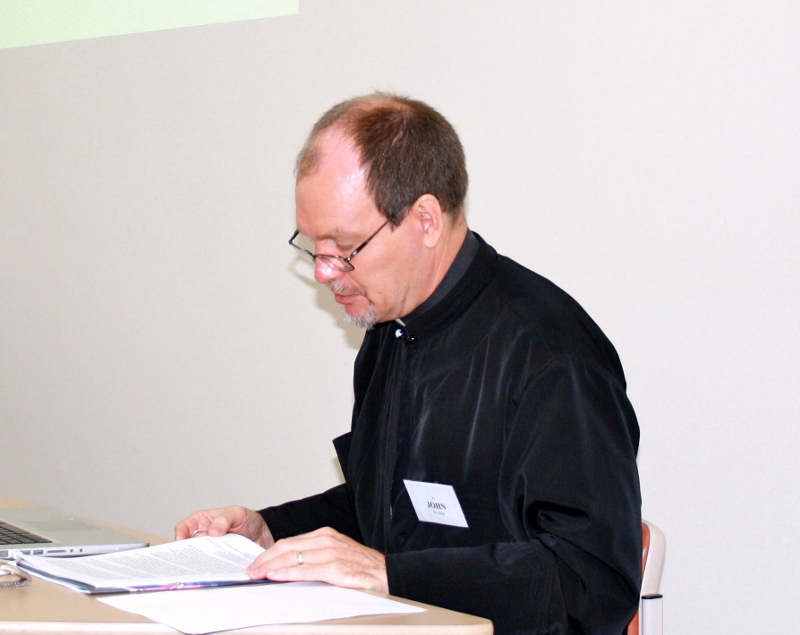
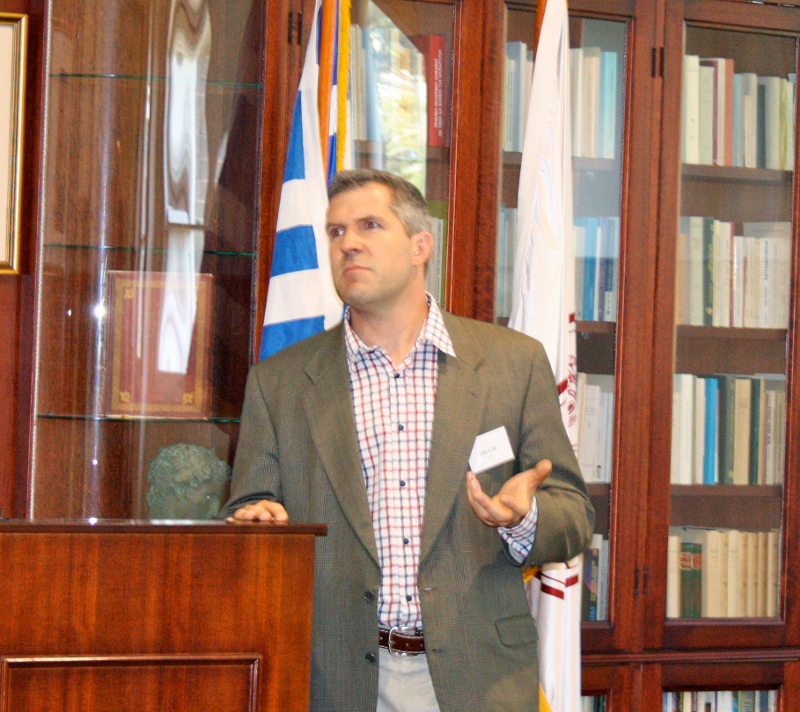
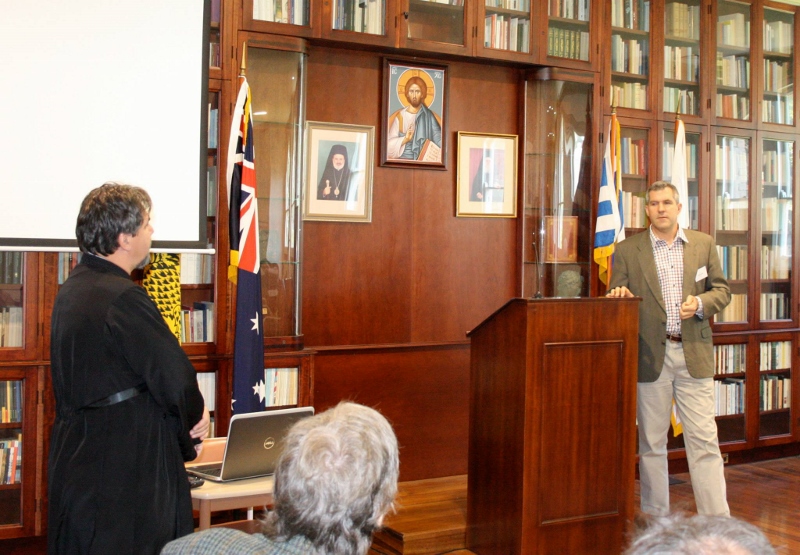
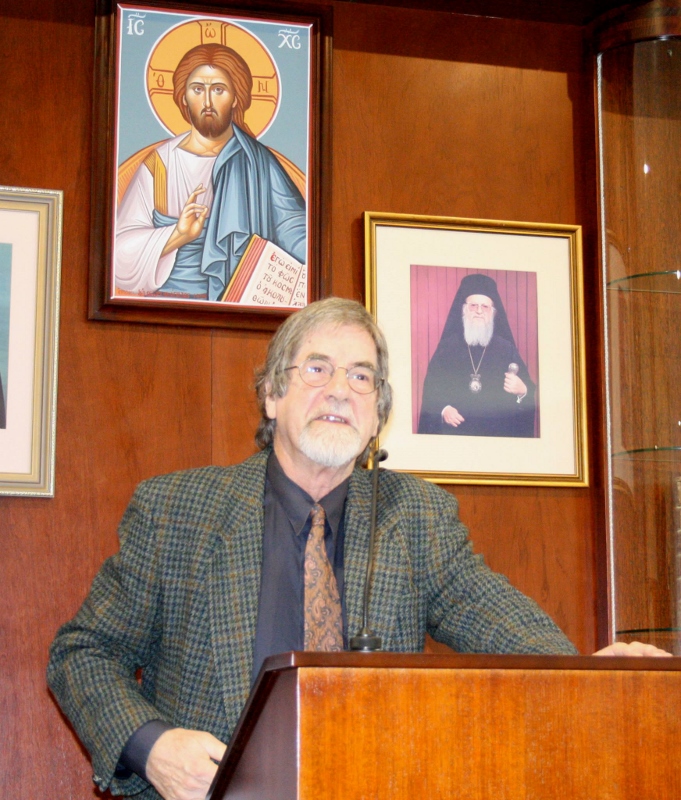
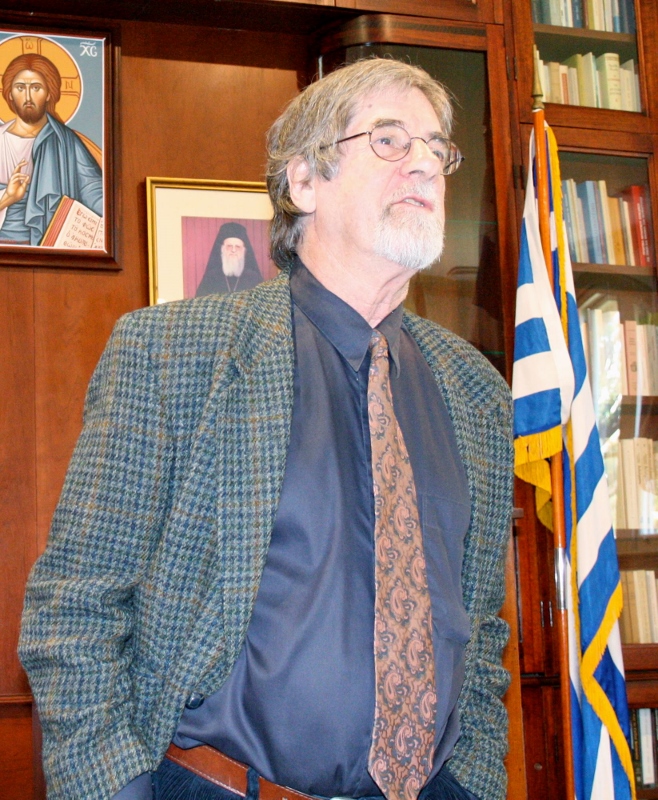
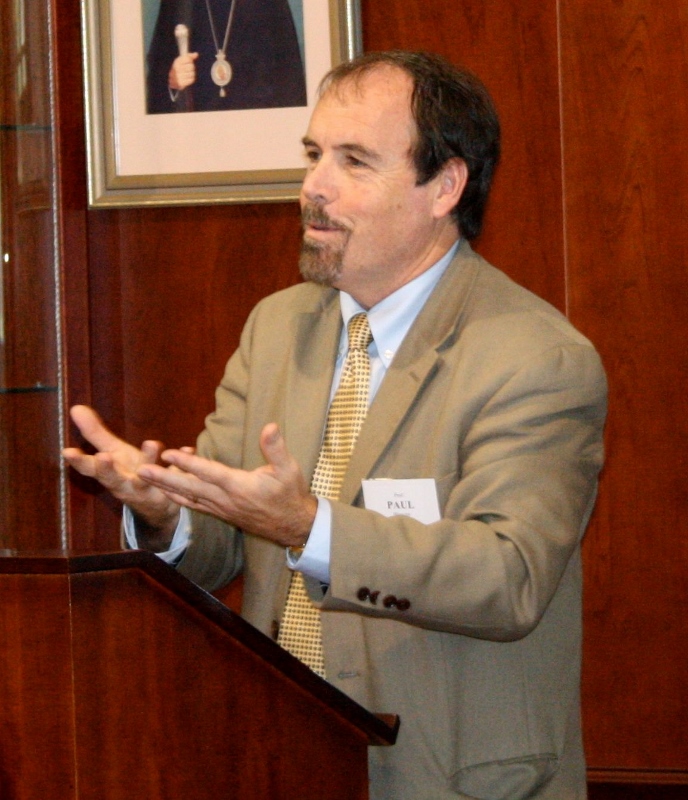
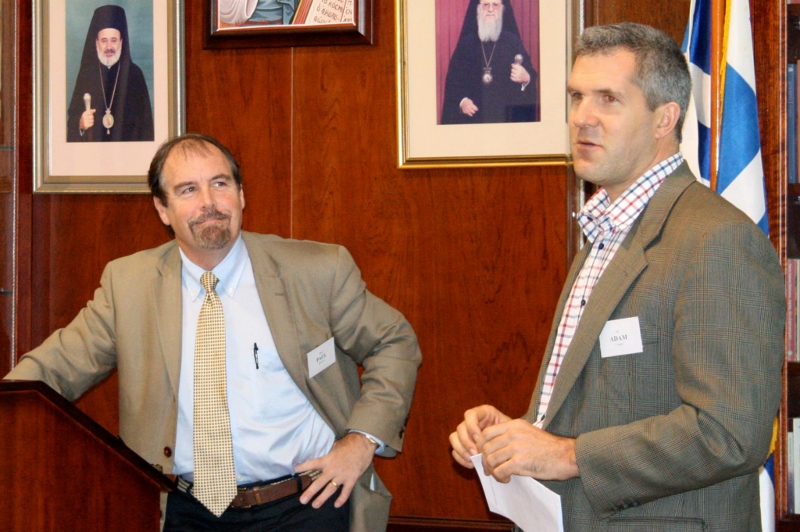
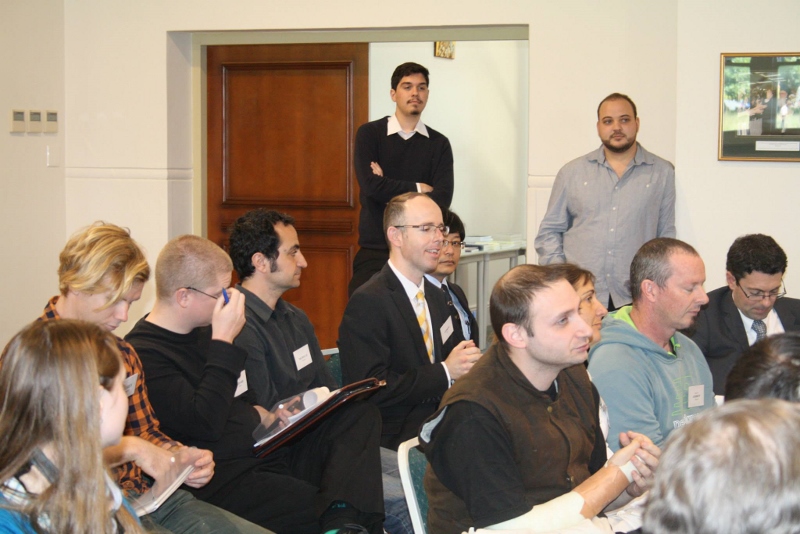
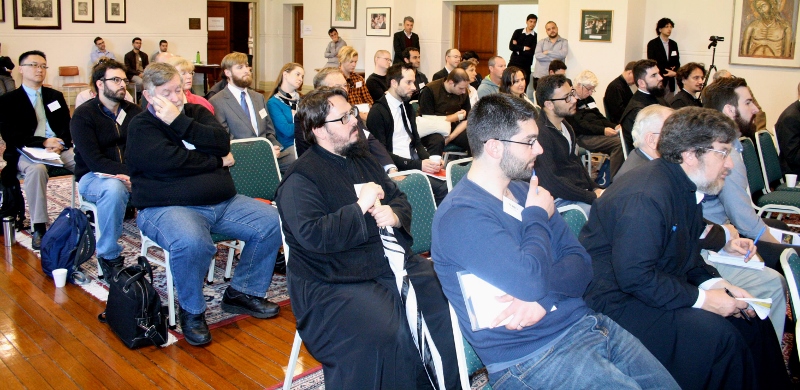
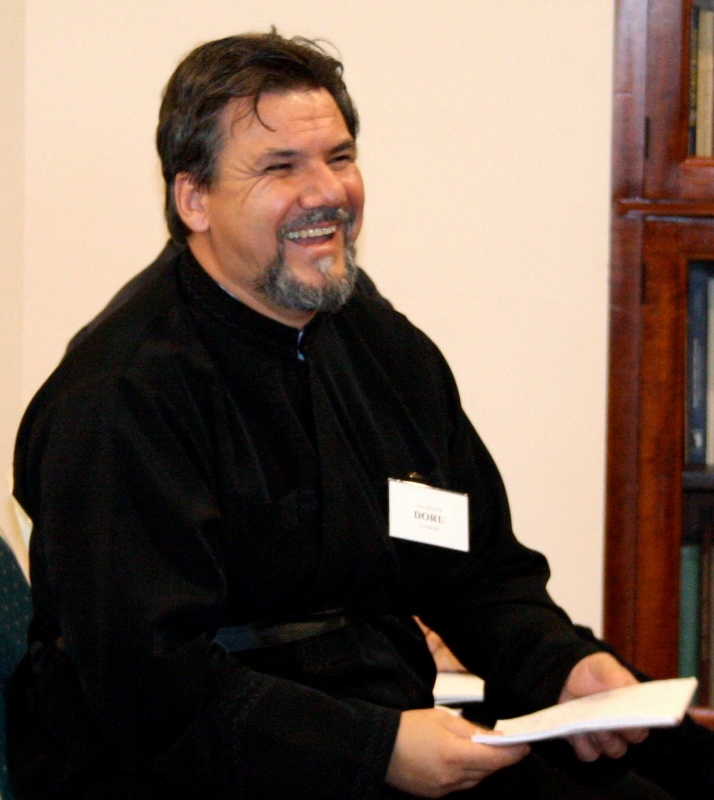
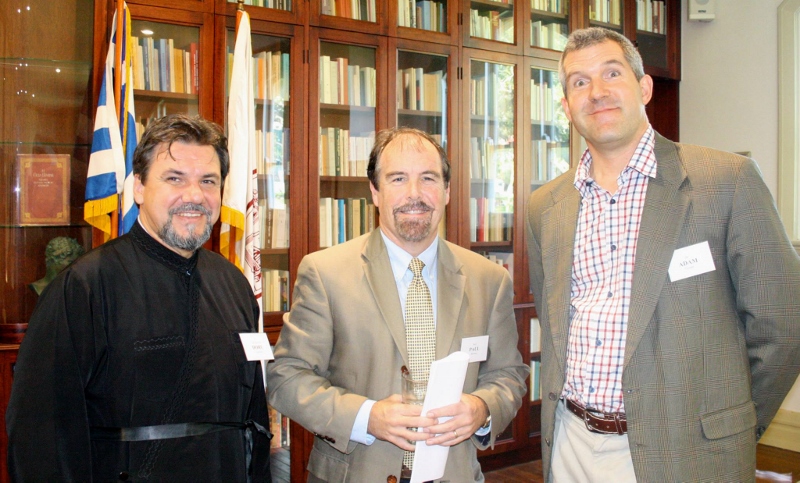
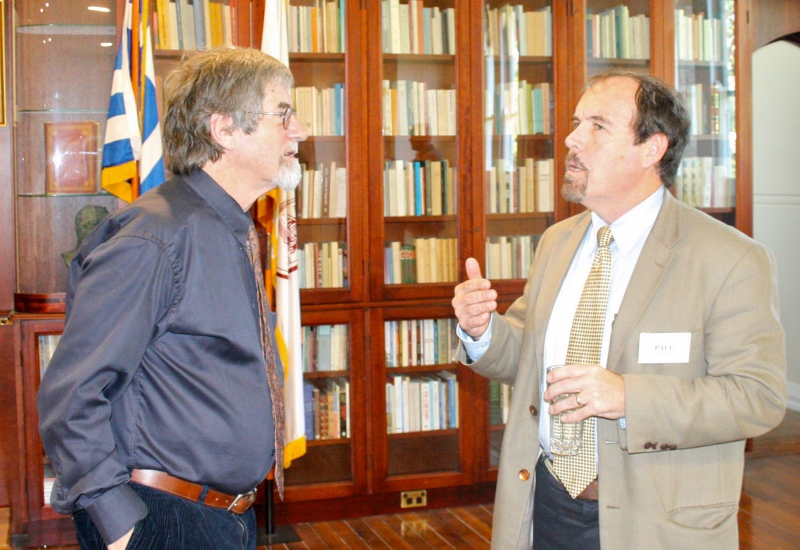
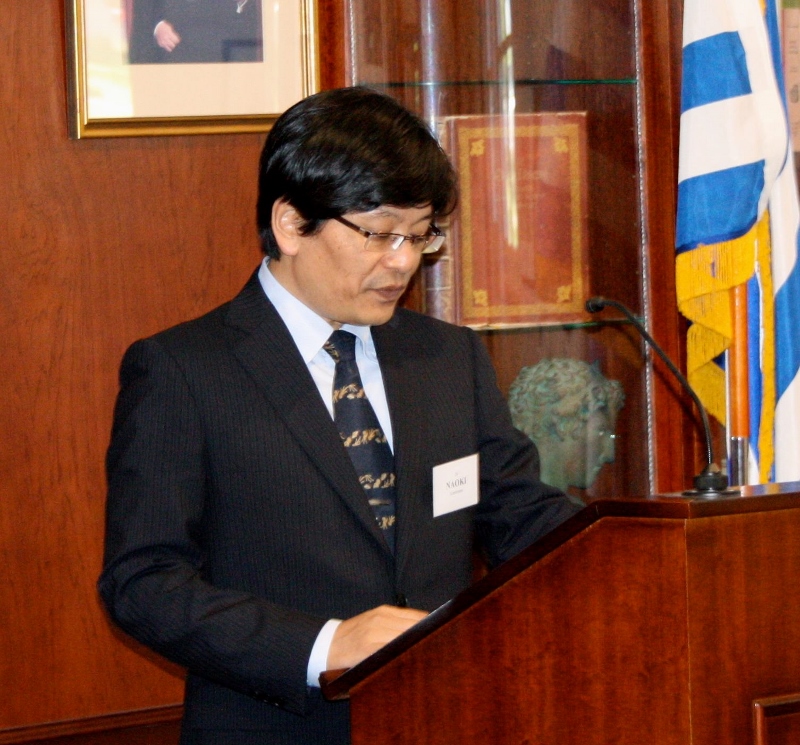
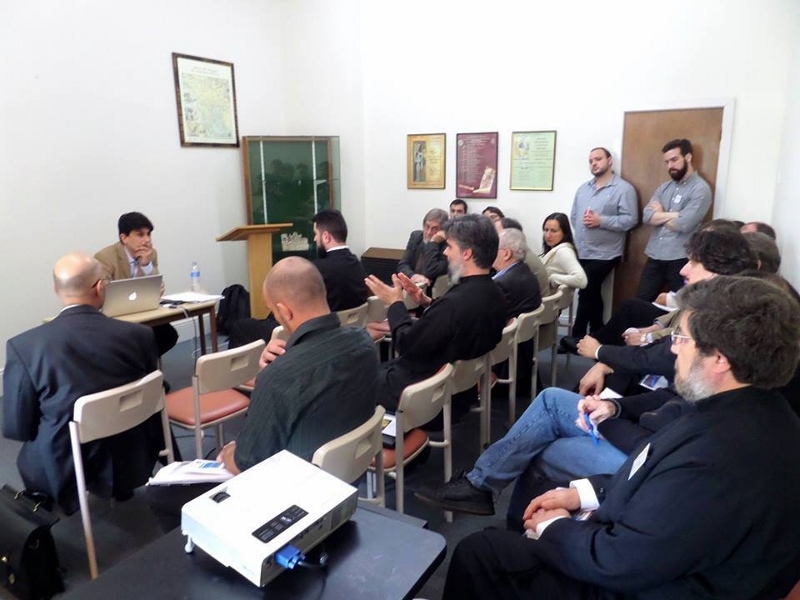
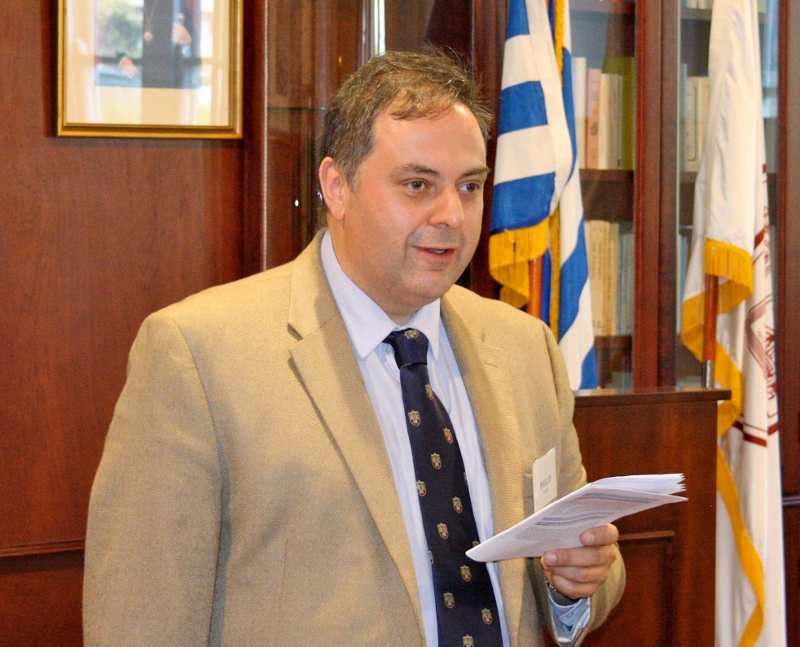
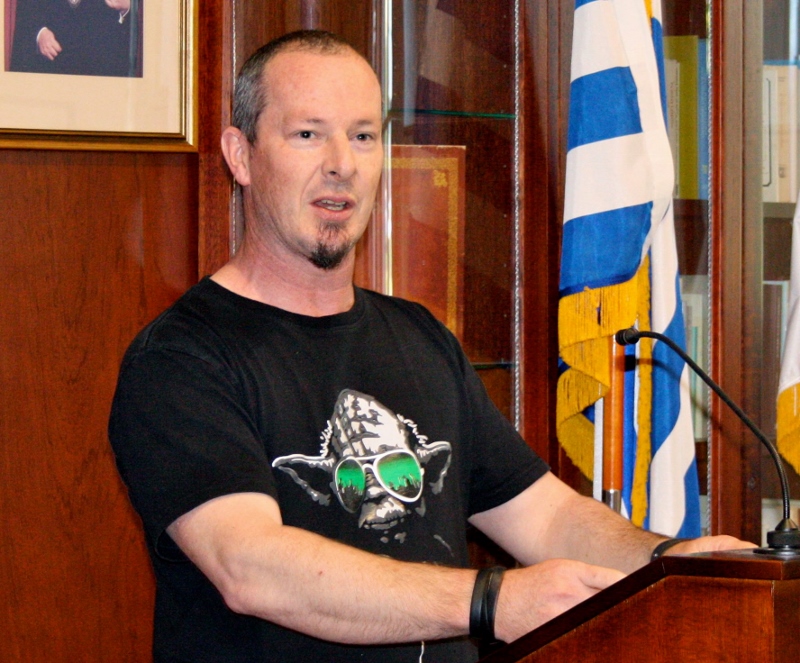
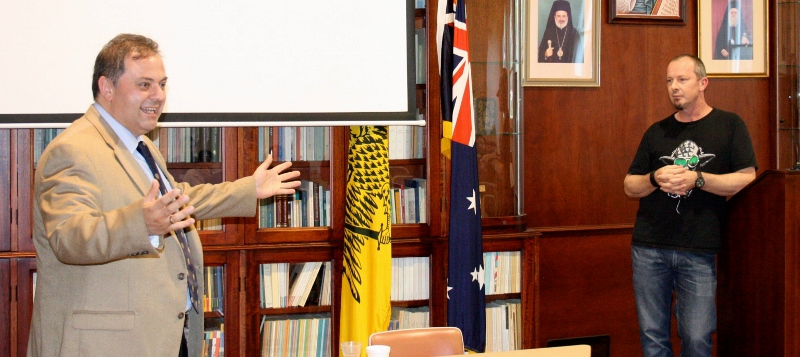
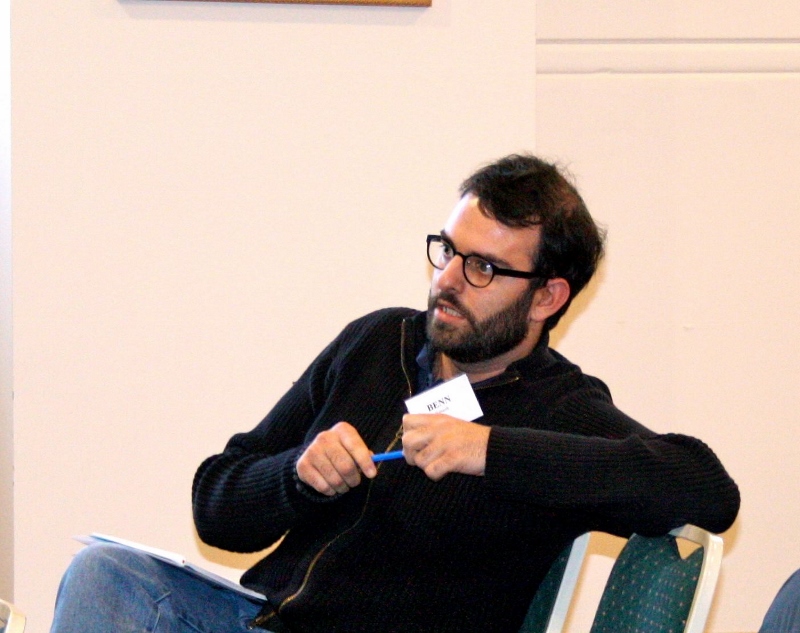
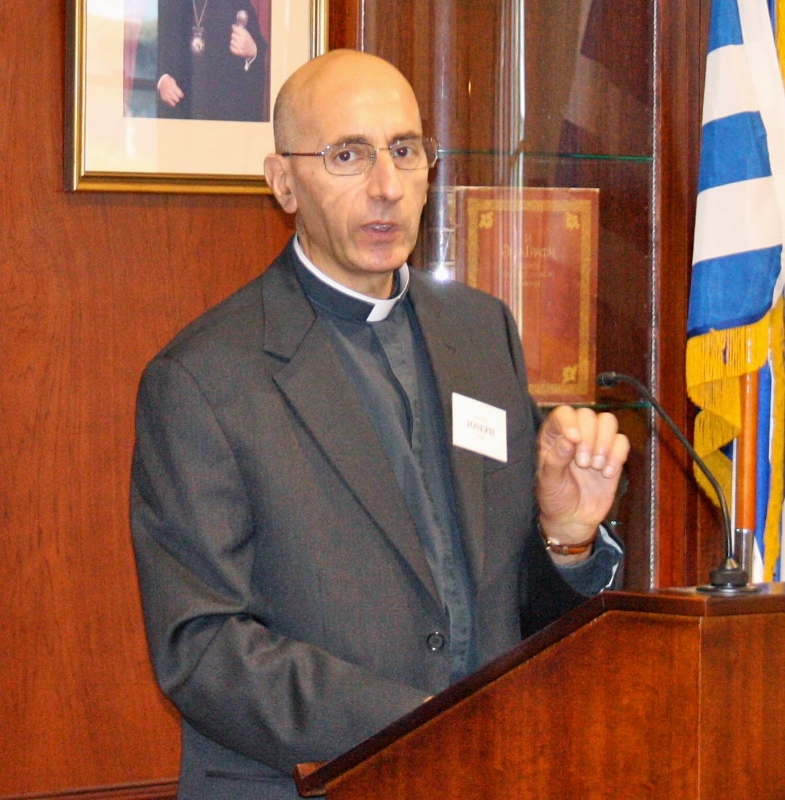
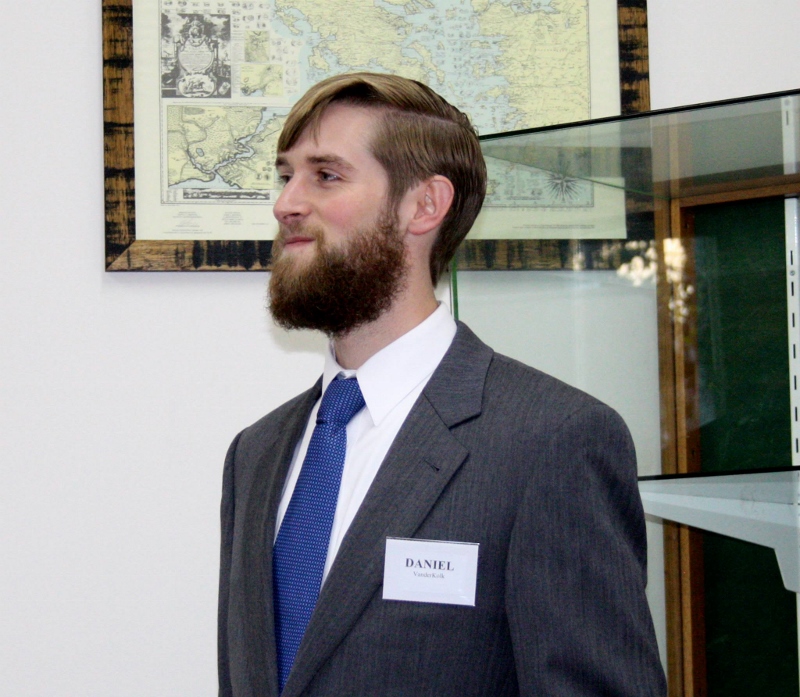
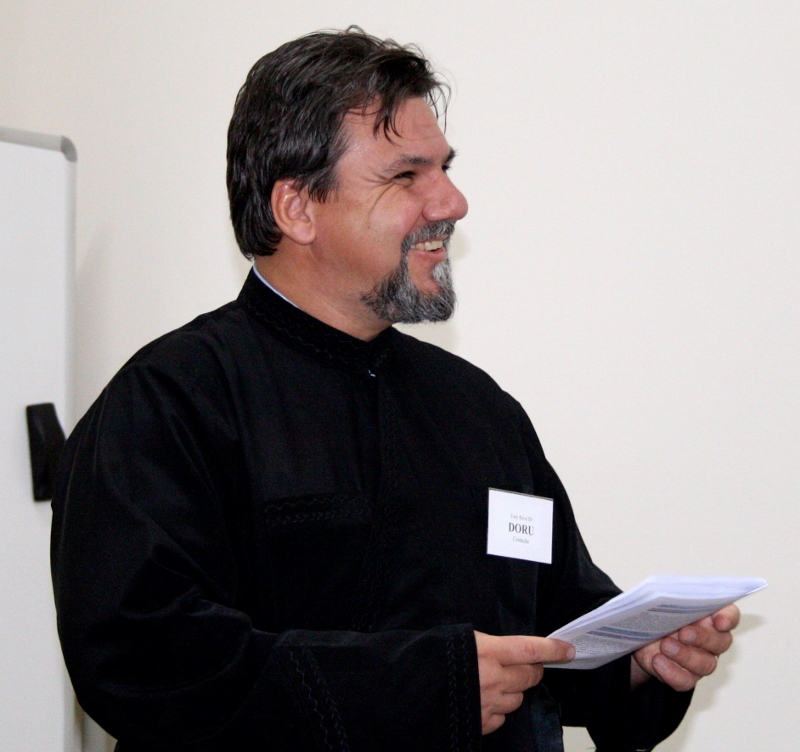
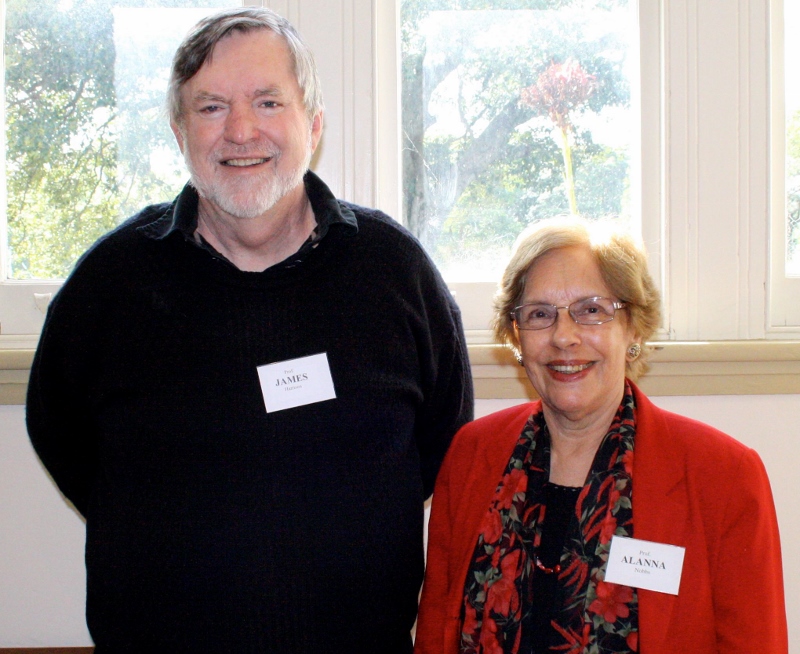
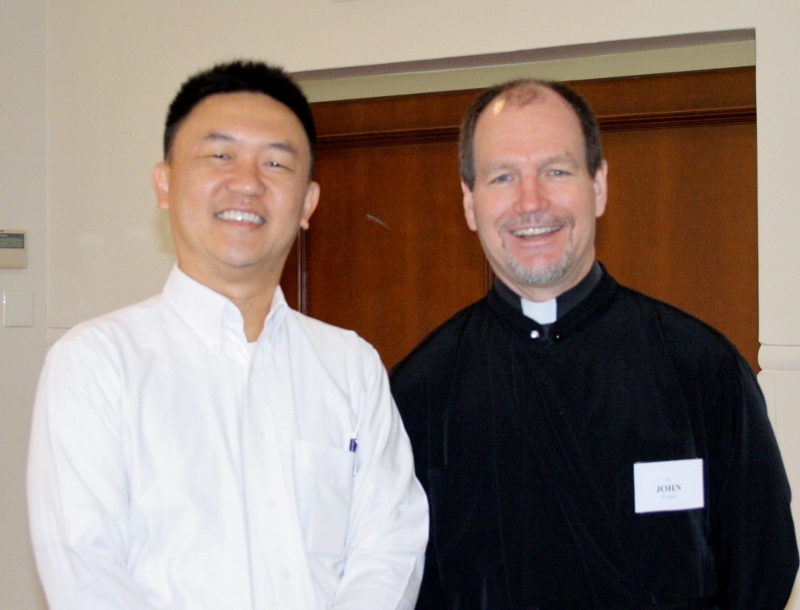
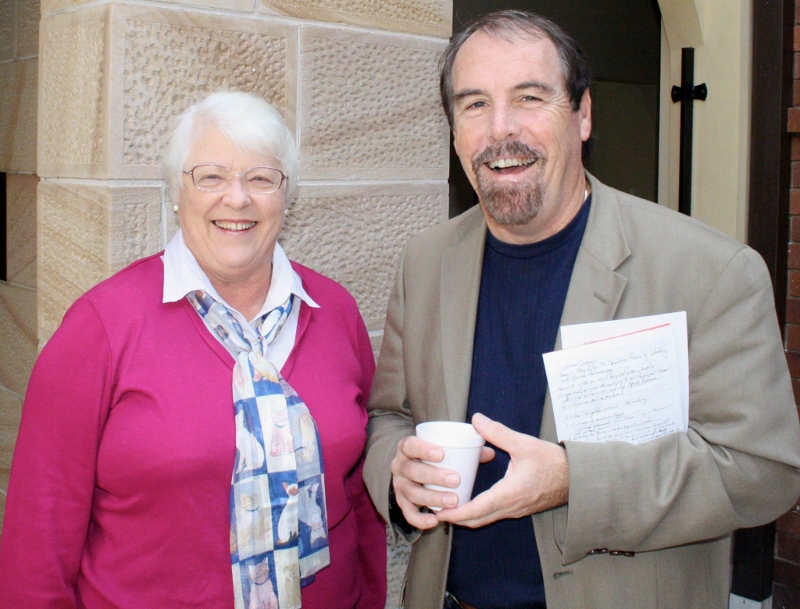
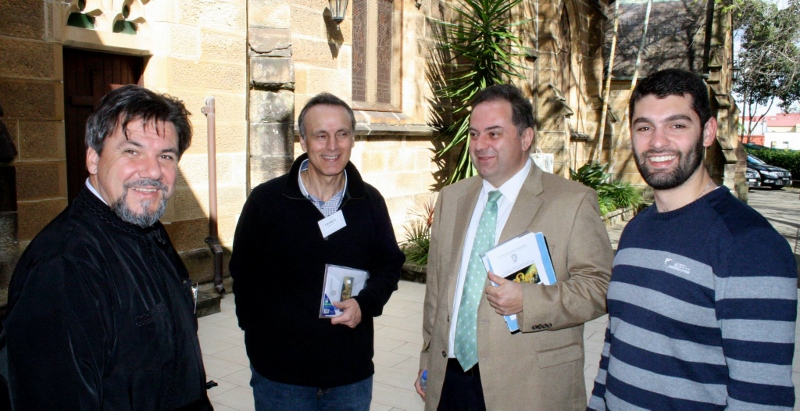
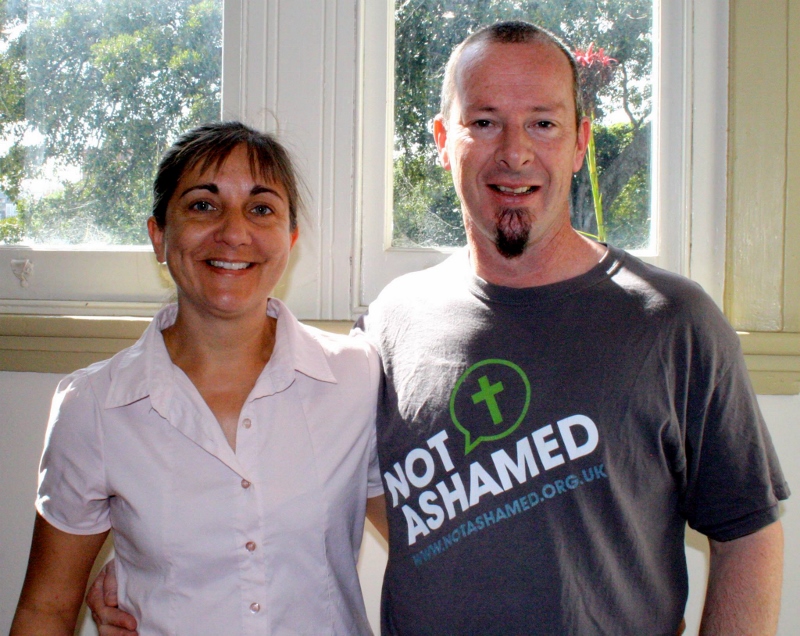
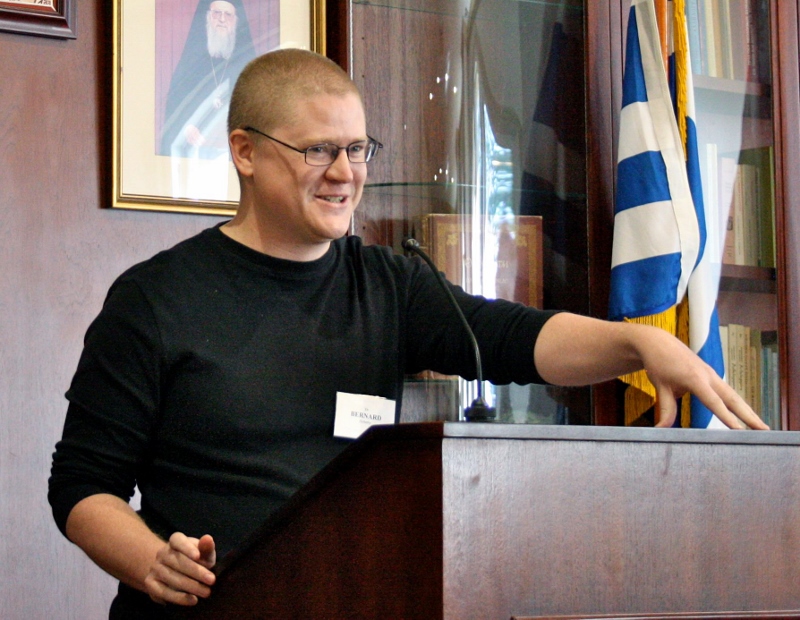
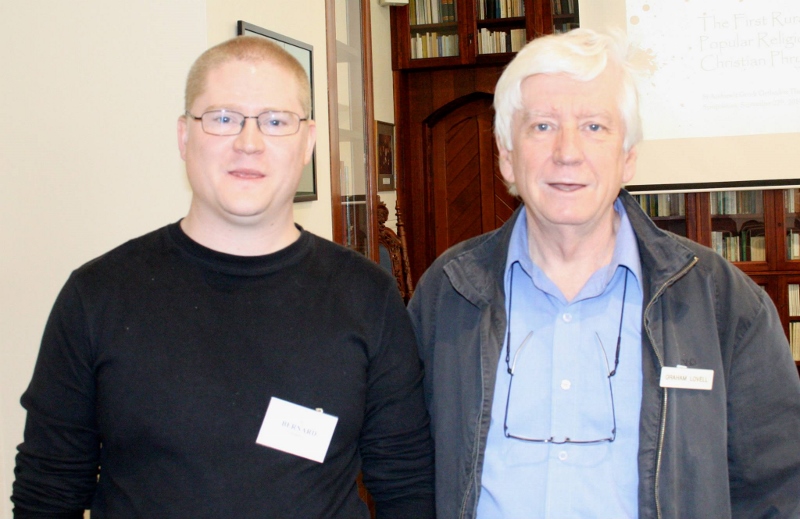
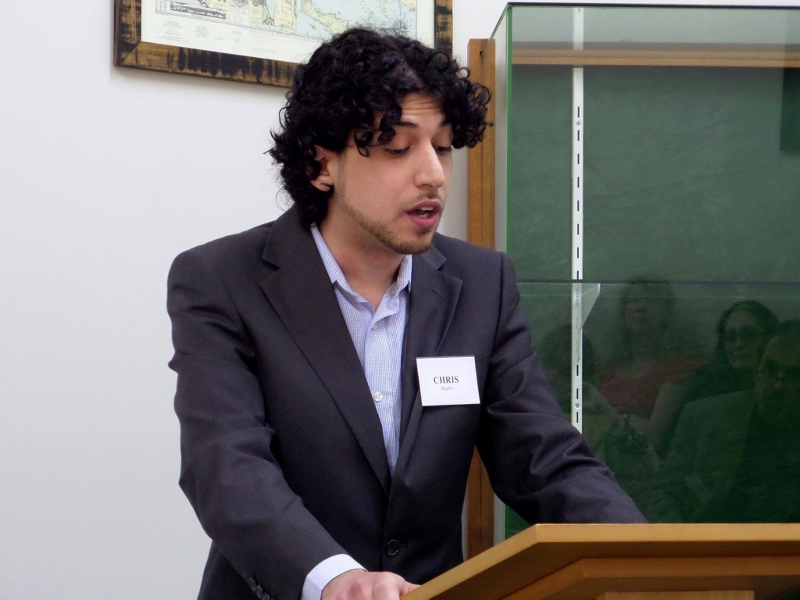
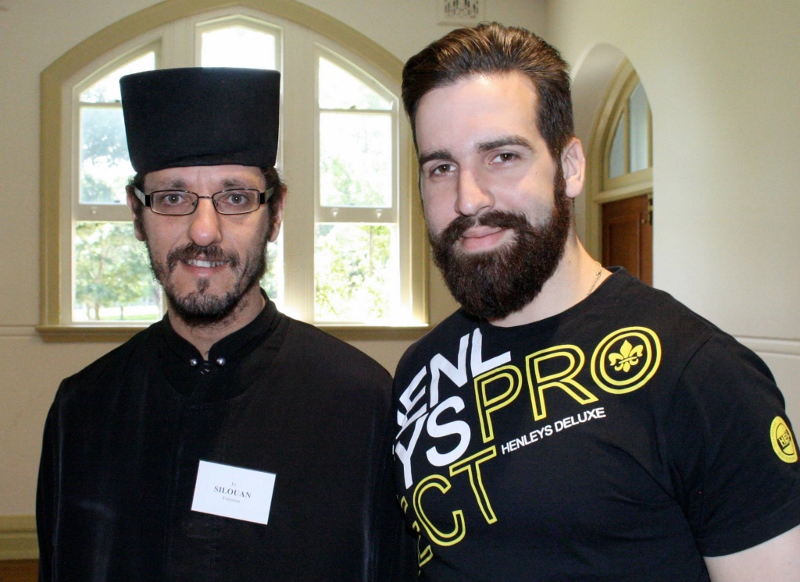
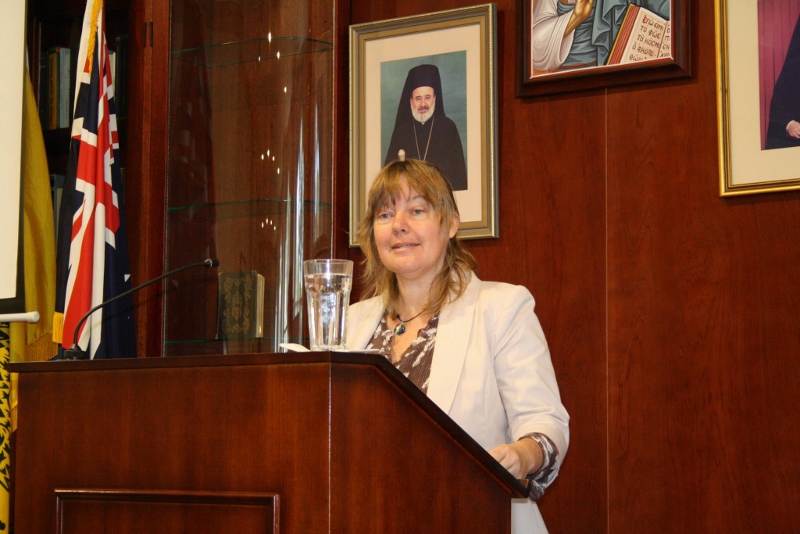
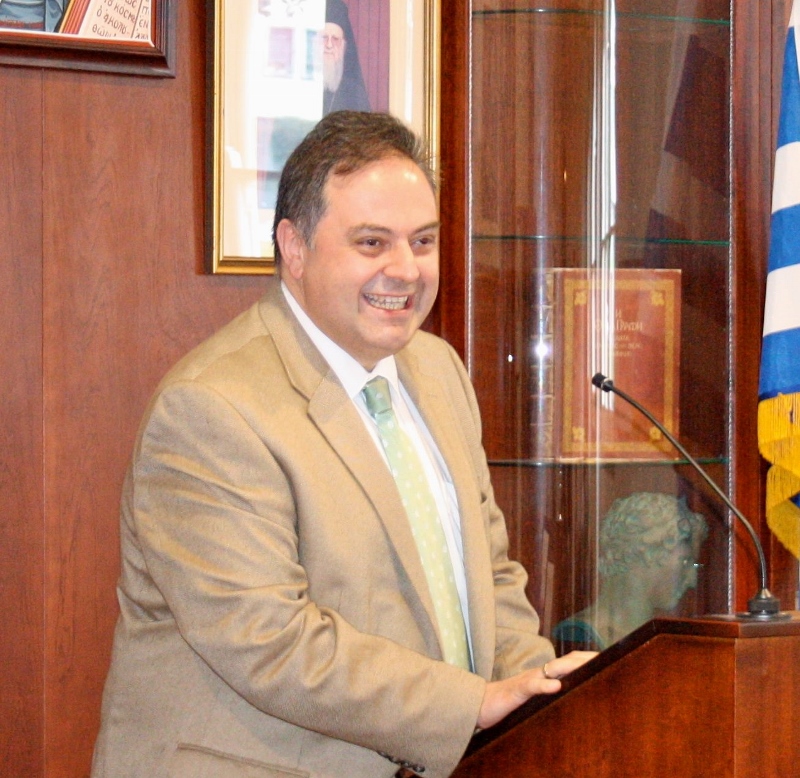
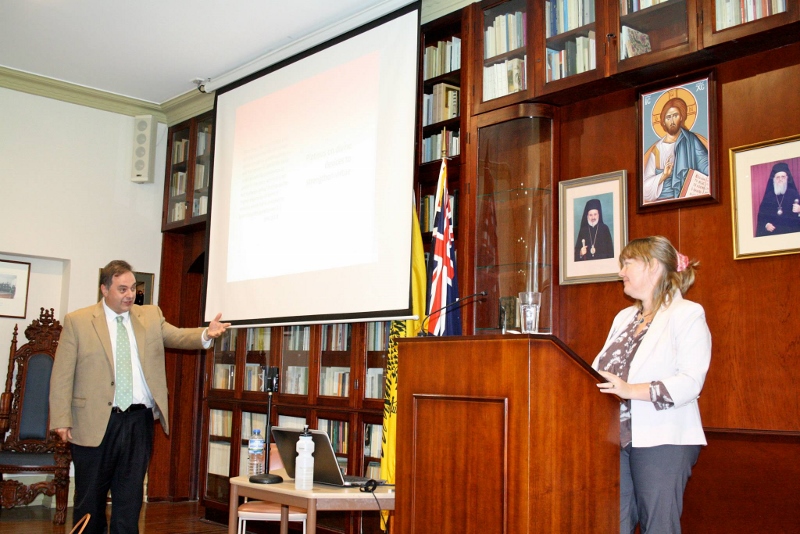
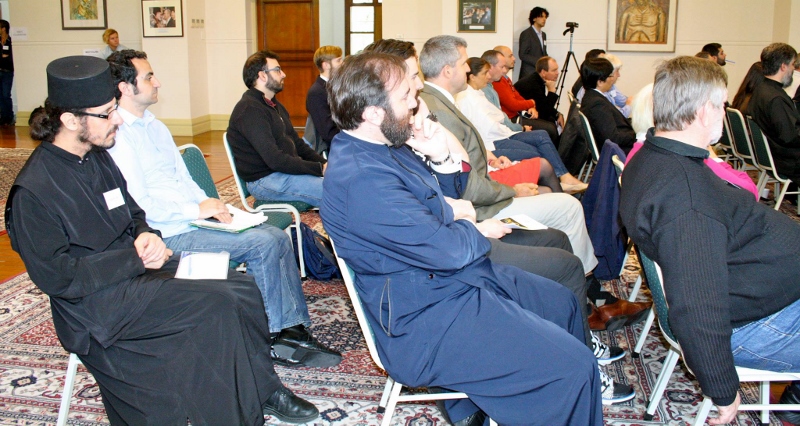
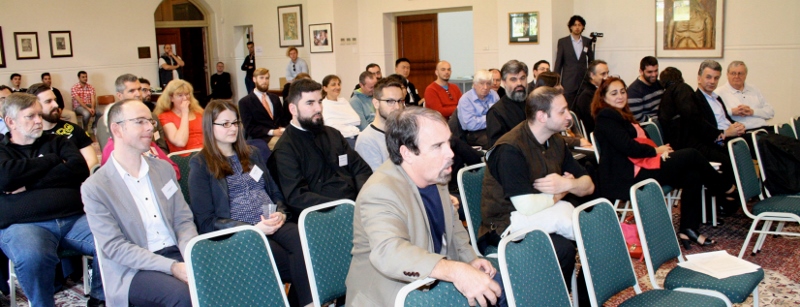
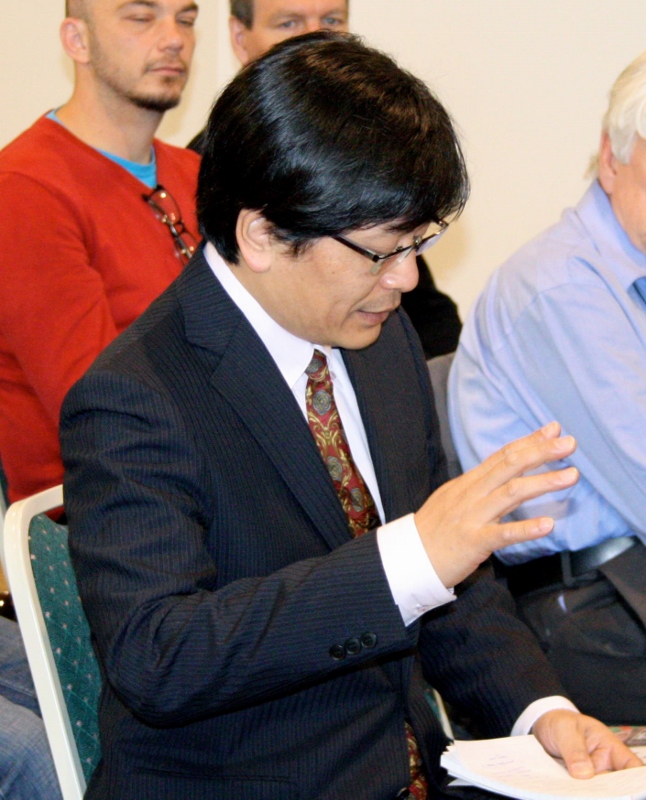
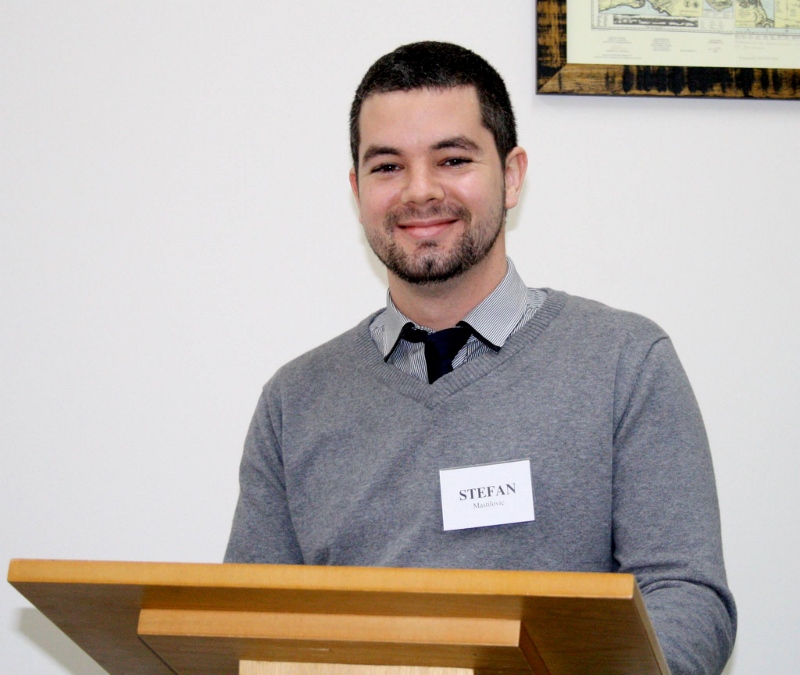
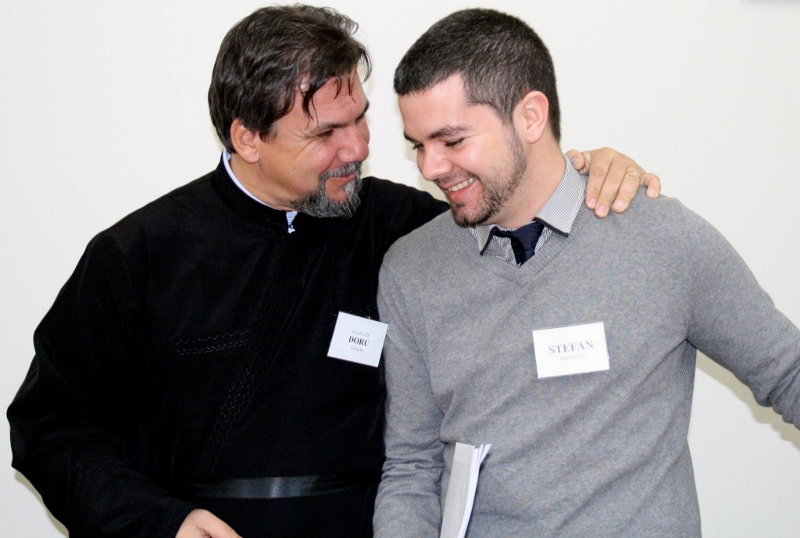
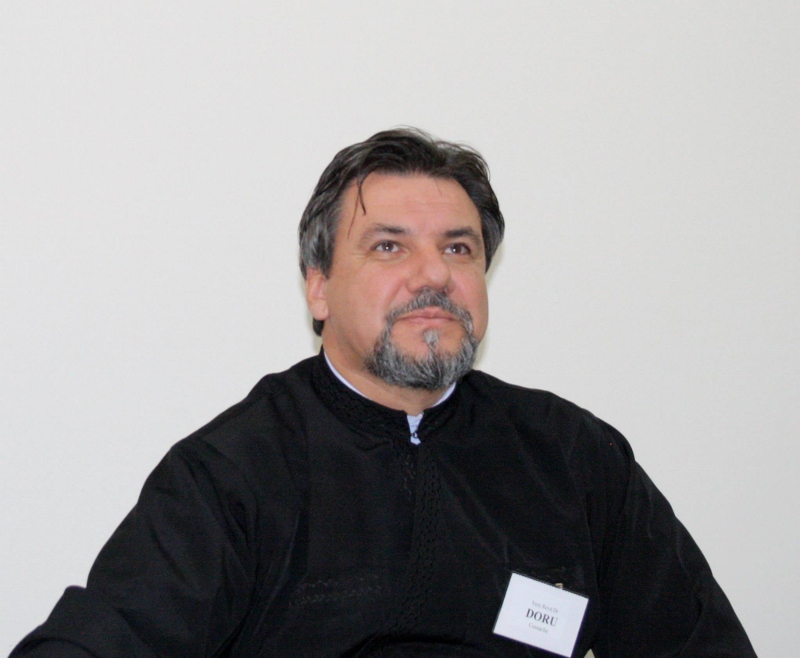
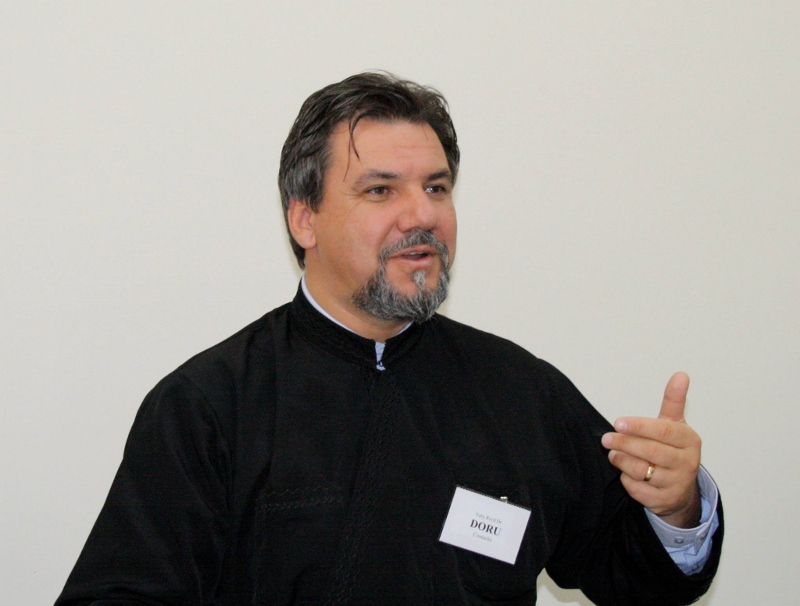
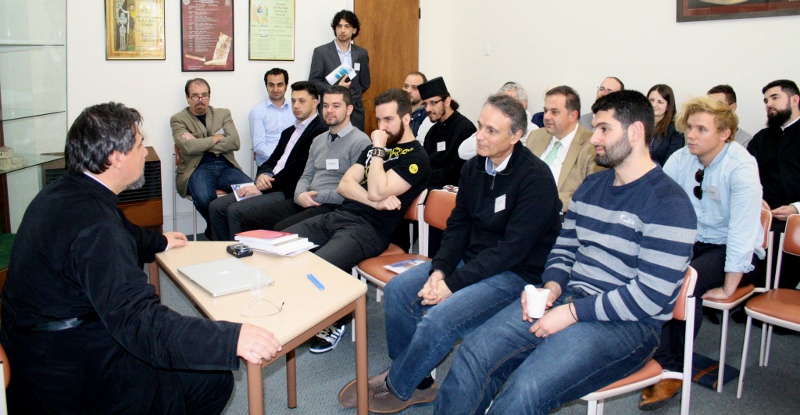
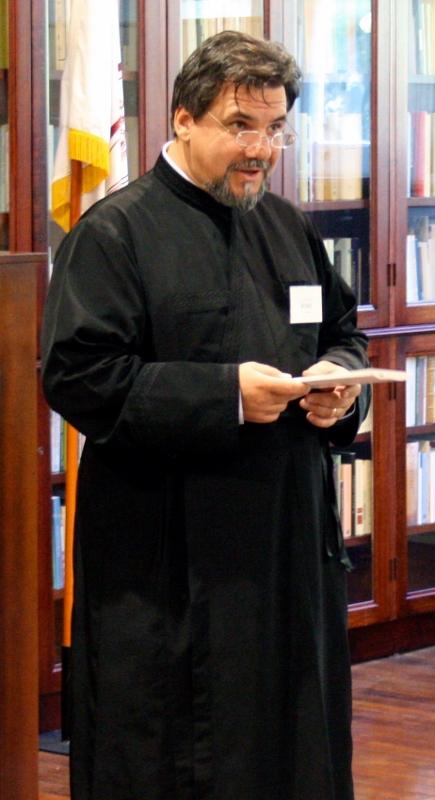
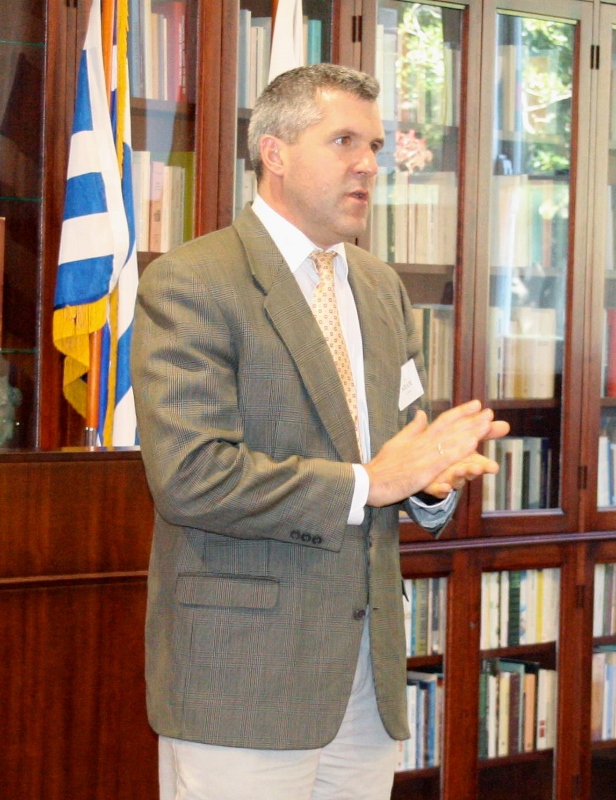
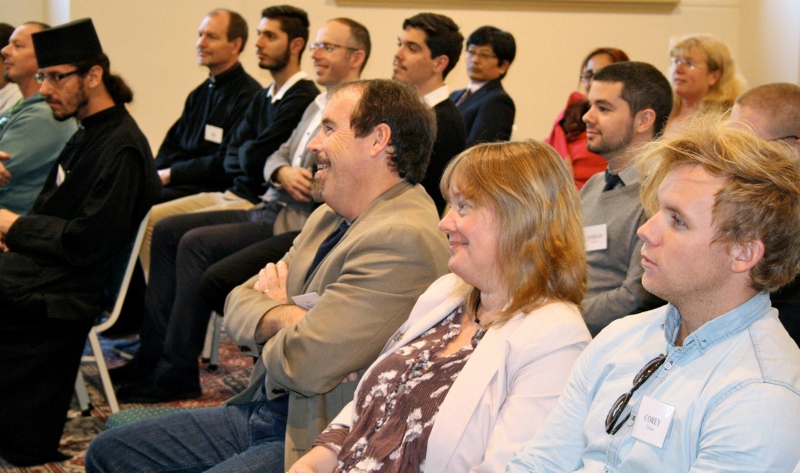
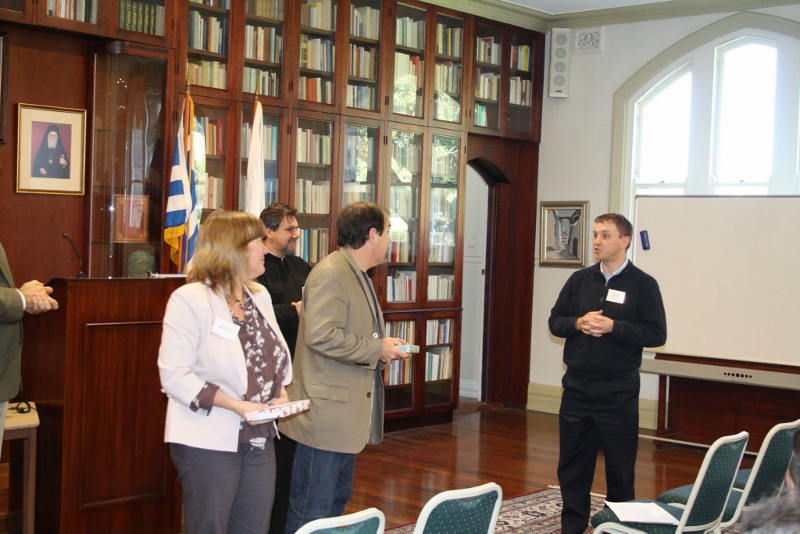
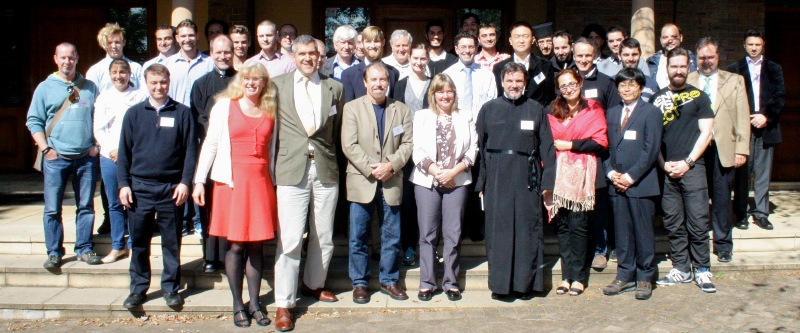
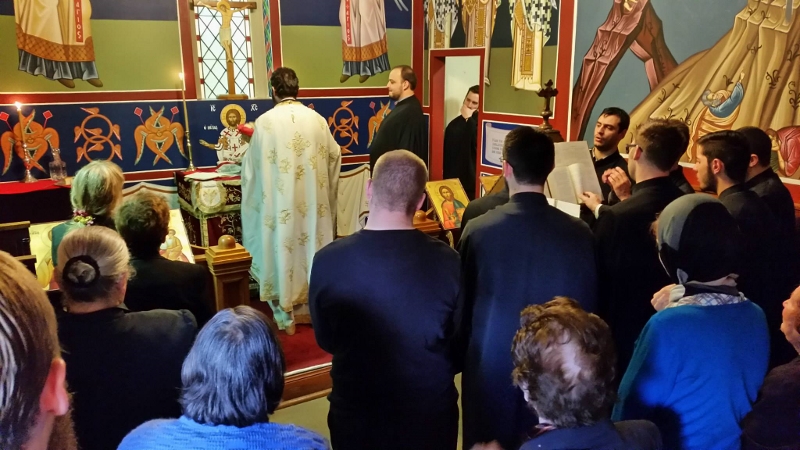
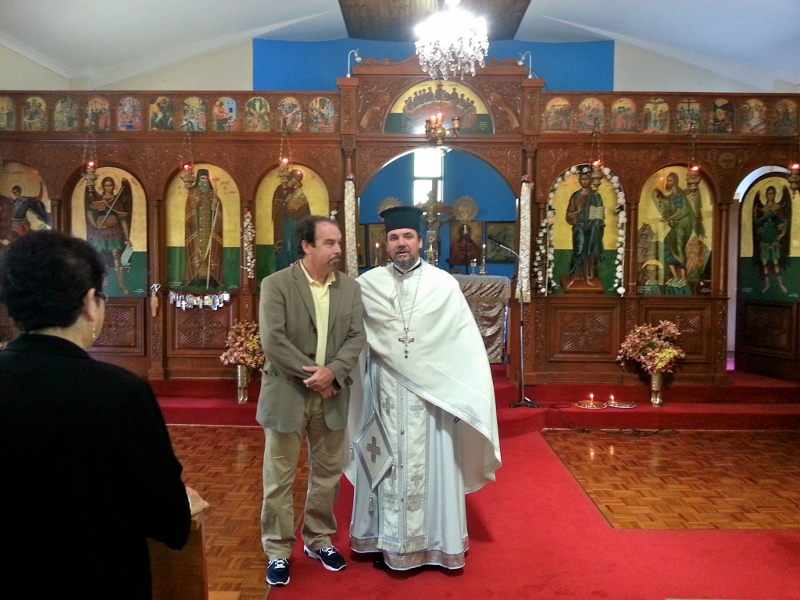
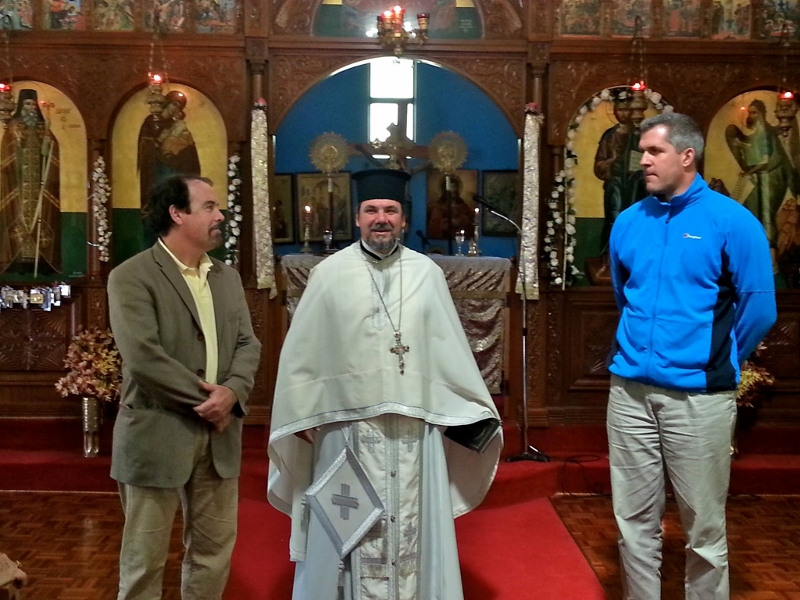
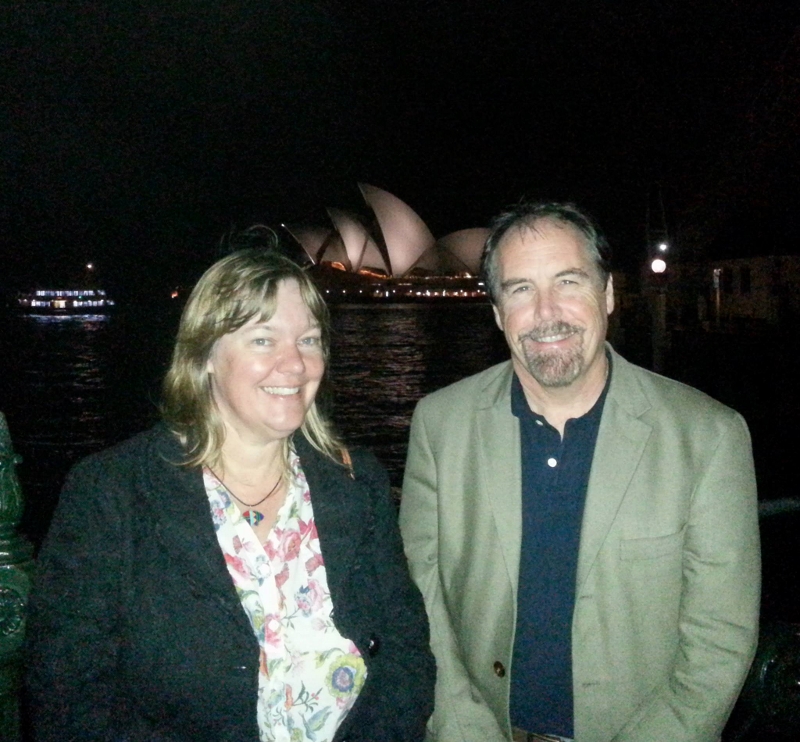
On 26-27 September, 2014, the Very Revd Dr Doru Costache (Senior Lecturer in Patristic Studies, St Andrew's) and Dr Adam G. Cooper (Senior Lecturer, John Paul II Institute for Marriage and Family), convened St Andrew's Sixth Patristic Symposium, 'From Alexandria to Cappadocia and Back Again'. Featuring keynote speakers Professor Paul M. Blowers (Emmanuel Christian Seminary, Tennessee, USA) and Dr Bronwen Neil, FAHA (Assistant Director of the Centre for Early Christian Studies, ACU, Brisbane), the symposium offered a range of insightful presentations on the Alexandrian and Cappadocian traditions and their representatives along with other relevant figures and themes. At the end of the conference, it was revealed that the theme of the next Patristic Symposium, which will be in 2016, is on St John Chrysostom, and its keynote speakers will be Professor Pauline Allen, FAHA (Director of the Centre for Early Christian Studies at ACU, Brisbane) and Dr Wendy Mayer (Research Fellow, Centre for Early Christian Studies at ACU, Brisbane). The conveners, Fr Doru and Dr Cooper, announced that they will be joined by another co-convener, Mr Mario Baghos (Associate Lecturer in Church History, St Andrew's), for the 2016 symposium.
→ 2014 Patristic Symposium Main Page
Subscribe to our Blog!
Subscribe to our blog written by our Faculty and learn more about your Orthodox Christian faith
Connect With Us
|
|
|
|
Join Our |


.png)
Copyright © 2019 St Andrew's Greek Orthodox Theological College.
All Rights Reserved. | Website Terms & Conditions