- Home
- About us
- Students
- Courses
- Research
- Library
- News & Events
- Gallery
- Contact
- Our Blog
Latest News

Making Sense of the World: Theology and Science in St Gregory of Nyssa's An Apology for the Hexaemeron
Doru Costache, ThD, Senior Lecturer at St Andrew's Greek Orthodox Theological College
Abstract: The paper discusses the apologetic character of the Nyssenian treatise, pointing out the naturalistic propensities and wide scientific information of its saintly author. Indeed, the Apology displays St Gregory's great freedom in employing the available sciences in order to complement the theological narrative of creation. This approach offers an interesting alternative to the 'God of the gaps' theory, which undertakes the opposite, i.e. to fill in the blanks spots within the various scientific narratives by way of theological statements. In its second part, the paper examines a few practical examples of how the Nyssen applied his method to themes like the relationship between God and the cosmos, the structure of matter and the creation as both one and many events. The paper ends by proposing the Apology as a historically significant contribution to the rapports between science and theology.
Enrolments Now Open!
.jpg)
Study at St Andrew's

Subject Areas on Offer
Gallery
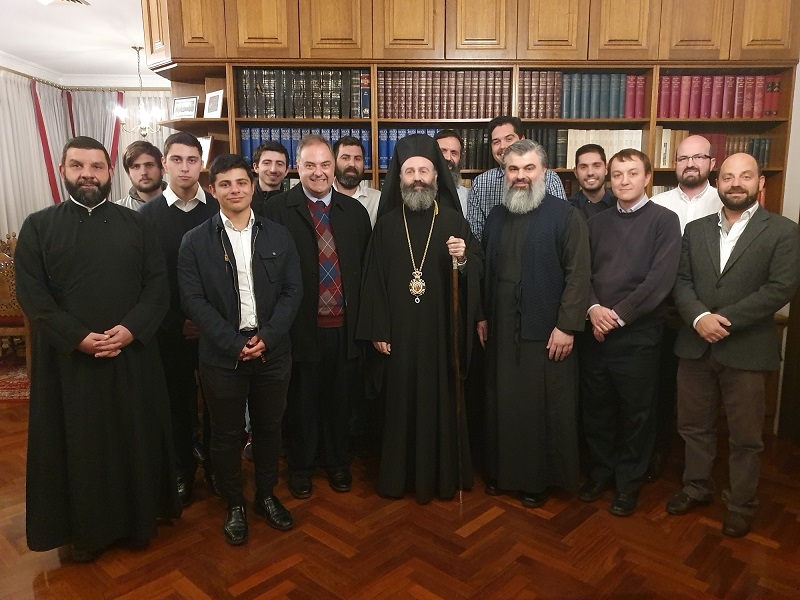
The Library

The library was established with the opening of St Andrew's in... see more
Subscribe to our Blog!
Subscribe to our blog written by our Faculty and learn more about your Orthodox Christian faith
Connect With Us
|
|
|
|
Join Our |


.png)
Copyright © 2019 St Andrew's Greek Orthodox Theological College.
All Rights Reserved. | Website Terms & Conditions