- Home
- About us
- Students
- Courses
- Research
- Library
- News & Events
- Gallery
- Contact
- Our Blog
Latest News

The Impact of Martyrdom on Eusebius of Caesarea's Commentary on Luke: Anticipating the Imminent Eschaton
Mario Baghos, Associate Lecturer, St Andrew's Greek Orthodox Theological College, PhD Candidate, University of Sydney
Abstract: Eusebius of Caesarea (ca. 255-339) is perhaps best recognised as the chronicler of the ostensible peace and prosperity for the Church that dawned in the reign of the emperor Constantine (r. 306-337); a reign which he interpreted eschatologically, that is, as the fulfilment of God’s kingdom on earth. But in focusing on this well-known aspect of Eusebius’ eschatological vision, contemporary scholarship has, with very few exceptions, bypassed his earlier reflections on the ‘end times,’ which he believed would occur imminently. More specifically, Eusebius’ encounter with the martyrs who died during the reign of the tetrarchic emperor Maximinus Daia between the years 309-312 led him to believe that Christ would return soon to alleviate the suffering of the faithful. Since the historical context affected his literary output, this article will assess the impact of martyrdom on Eusebius’ eschatological vision as discernable in his Commentary on Luke, which was written during the years of persecution and testifies to his early belief in Christ’s imminent return. In so doing, this paper will contribute insights to the aforementioned lacuna in contemporary Eusebian studies.

Enrolments Now Open!
.jpg)
Study at St Andrew's

Subject Areas on Offer
Gallery
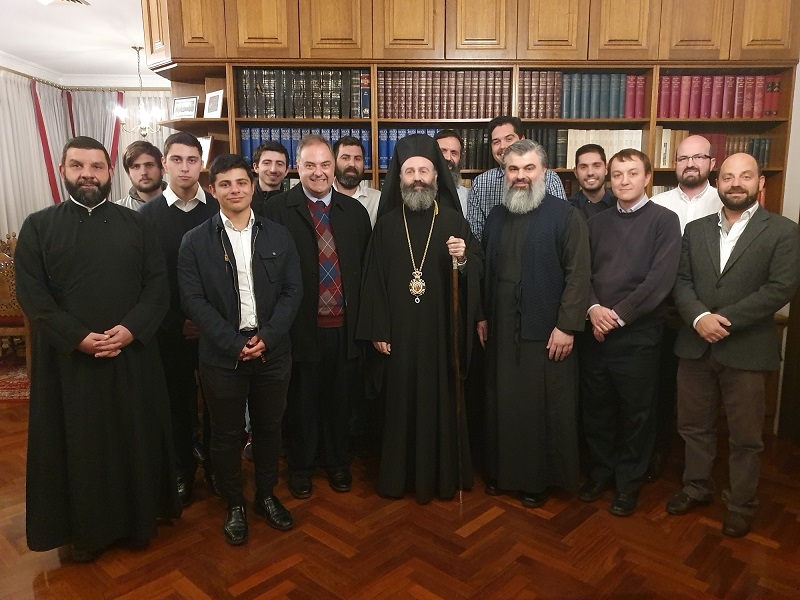
The Library

The library was established with the opening of St Andrew's in... see more
Subscribe to our Blog!
Subscribe to our blog written by our Faculty and learn more about your Orthodox Christian faith
Connect With Us
|
|
|
|
Join Our |


.png)
Copyright © 2019 St Andrew's Greek Orthodox Theological College.
All Rights Reserved. | Website Terms & Conditions